
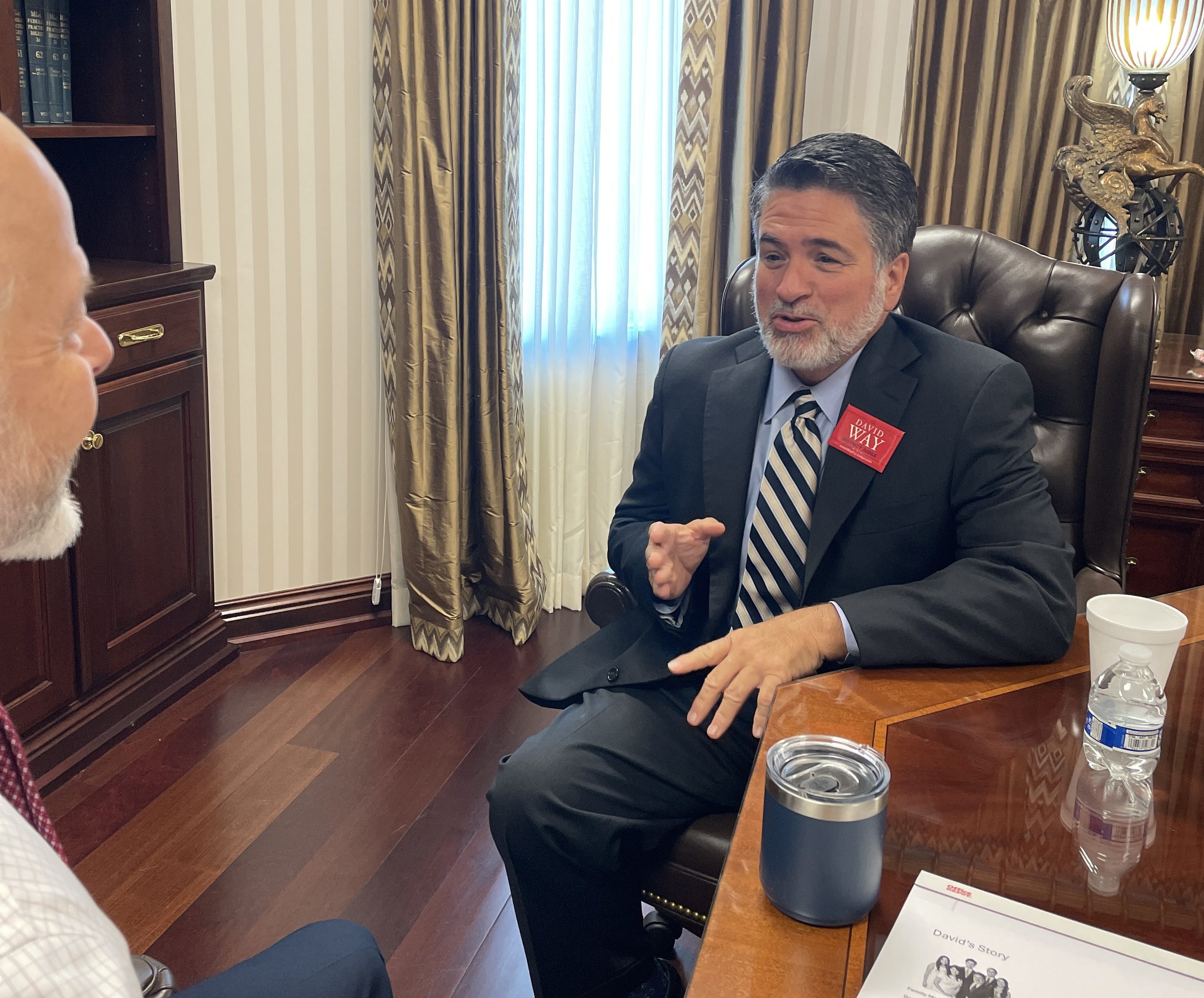
Editor: This is Covenant Spotlight’s sixth in a series of judicial candidate profiles.
Judges make decisions. Those who have known David Way over the years, whether as a fellow attorney, a member of Kiwanis, a church friend or a youth softball coach, speak of his fairness, his willingness to listen and his ability to make thoughtful decisions. As Way seeks election to the 15th Judicial District Court, he hopes the voters will also see those qualities in him on November 3, 2026.
Way describes the formation of his “moral compass” as one that goes back to his childhood in Lake Charles. He credits his parents as having instilled in him a strong sense of right and wrong, a respect for others, hard work and a faith that continues to guide his life.

Way was born with “bilateral clubfeet,” what he describes as a condition where his feet turned inward. His legs were placed in casts while he was still an infant, and he remembers wearing braces on his feet until the first or second grade. One doctor initially told his mother that her son would never walk. “I, kind of as a kid, was a miracle.’” Way recalled. His mother had a different interpretation. He remembers her telling him, “I never believed that doctor for a second. I was going to find someone who was going to fix the legs, and you were going to be just fine.”
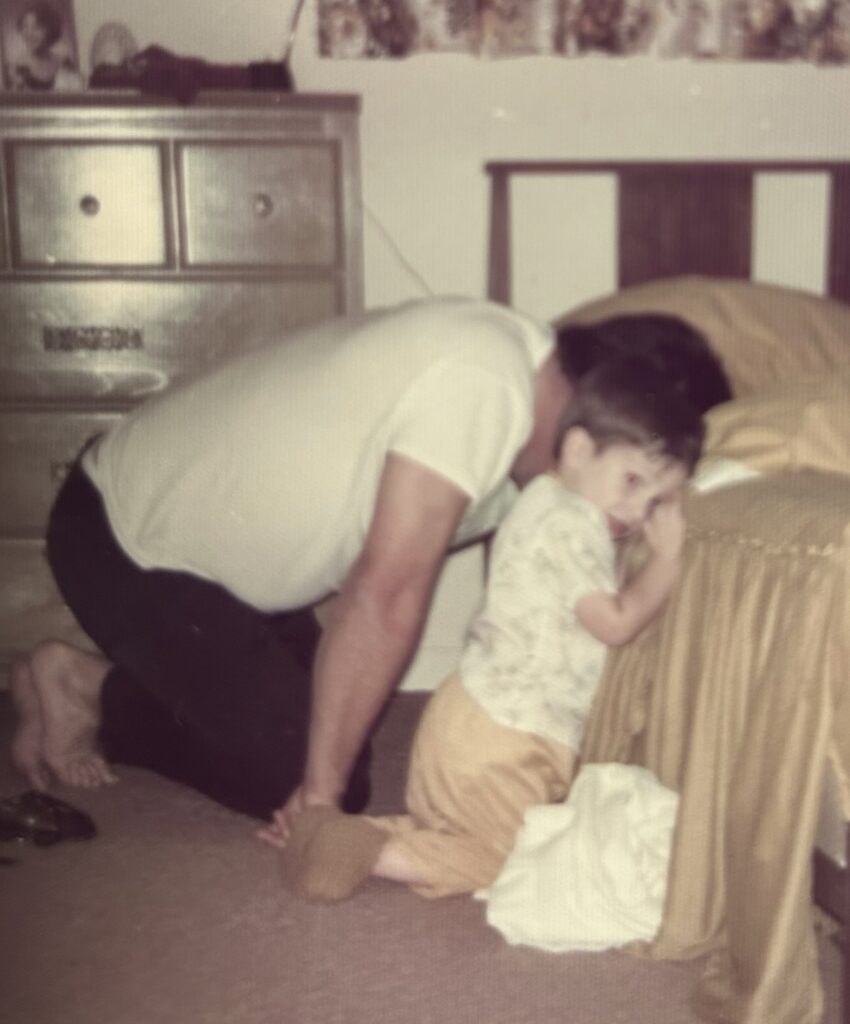
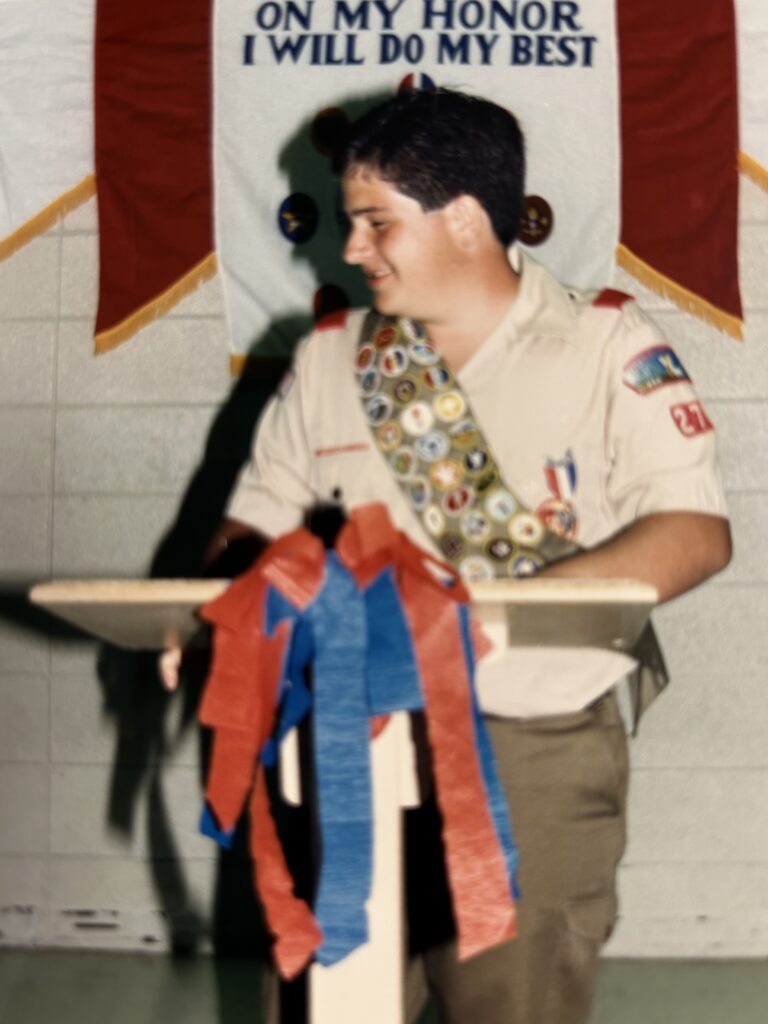
Her response speaks to Way’s upbringing. His parents, he said, were not inclined to let their son’s physical limitations become excuses. They taught him to work hard and to take difficulties in stride. And though he was not cleared to play competitive sports, he remained active in other ways, eventually becoming an Eagle Scout.
Growing up “yes sir” and “no sir” was the rule, not the exception, in Way’s family and with the many like-minded families in the area. His parents were active in church and community life, and Way remembers a childhood in which service, faith, prayer and expectations about how people should conduct themselves were simply part of growing up.
Way’s family attended Sale Street Baptist Church, where his parents taught Sunday school. Prayers and church on Sunday was a regular part of family life. Way remembers that if he spent Saturday night with a friend, he was expected to bring church clothes and attend services with that family the next morning. It did not matter whether they were Baptist, Catholic, Presbyterian or Episcopalian.

While attending Barbe High School in Lake Charles, Way became more fascinated with politics while working as a volunteer at the Republican National Convention in New Orleans. He came to see law as an entryway into the political arena.
Shortly after returning from the National Convention, another event also contributed to his interest in the legal system. Way received a speeding ticket near his high school. Way believed the officer had mistakenly cited him for exceeding a lower speed limit that applied farther down the road. He recalled looking at his speedometer, seeing that he was traveling 35 miles per hour, and observing a nearby sign displaying that same limit. Convinced he was right, Way challenged the ticket in city court, accompanied by his father. But as trial approached, the judge offered him a favorable disposition if he pleaded no contest, while warning that a conviction after trial would bring a harsher penalty. His father advised him that the judge was likely to believe the police officer, and Way reluctantly accepted the offer. Decades later, he remains convinced he was right. Although he accepted the plea arrangement, Way has not forgotten his disagreement with the officer or his dissatisfaction with how the judge handled the matter.

Another influence in Way’s decision to go to law school came through his family. Kenny Oliver, his uncle, was a practicing lawyer whose example allowed Way to believe that he, too, could succeed.
After high school graduation, Way enrolled at LSU in Baton Rouge where he studied political science and history. Determined to pursue a law degree, he completed his undergraduate degree in three years.
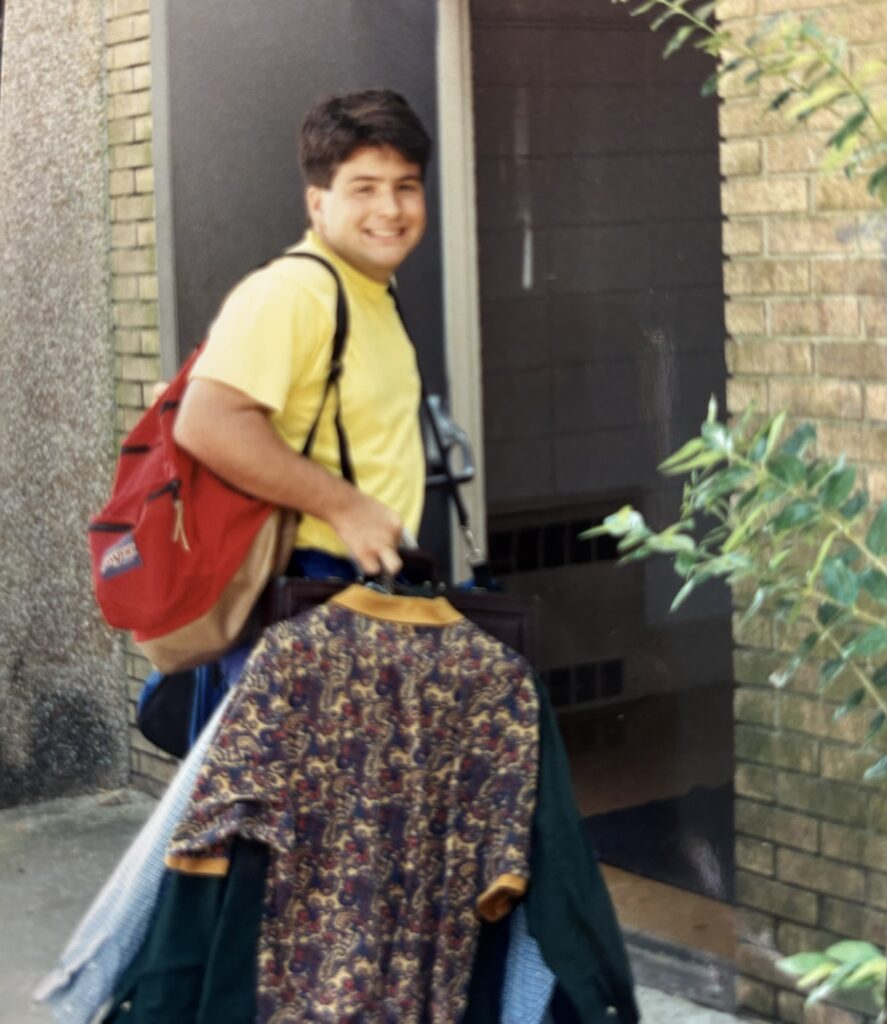
Law school at LSU proved to be a demanding experience that Way credits with shaping his approach to the practice of law. Having found his undergraduate political science studies relatively easy, he was initially surprised by the volume and intensity of the work required in law school. “It was a rude awakening,” he recalled. The experience taught him the importance of preparation, persistence and the painstaking research necessary to reach sound conclusions. “I don’t mind being wrong, but I hate not being right,” Way said, explaining that he learned the value of putting in the work necessary to thoroughly understand a problem and arrive at a well-reasoned resolution. More than anything, he credits LSU Law School with instilling the discipline to undertake difficult tasks and see them through to a carefully considered conclusion.
After graduating law school in 1996, Way’s first job was as a law clerk for the Fourteenth Judicial District Court in Calcasieu Parish, an experience he considers invaluable to his legal training. Rather than working exclusively for one judge, Way rotated monthly among the court’s eight judges, observing their different approaches to managing courtrooms, conducting trials and making decisions. Particularly helpful were opportunities to accompany judges into the jury room after verdicts to hear jurors discuss their deliberations and ask questions. “Did we do the right thing?” Way recalled as the question jurors most frequently asked. Those conversations gave him insight into how jurors evaluate evidence and reach decisions, lessons he believes provided an advantage when he entered private practice. Although the clerkship lasted only about ten months, Way described it as a “highly impactful” experience that also helped shape his understanding of how he might someday run his own courtroom.
After the clerkship ended, Way married Missy Jurkus in 1997 whom he had met at LSU. Way opted to take a job with his uncle Kenny’s law firm in Lafayette. Given Missy’s Catholic faith, the couple has raised their three children Catholic, and the family became active at St. Pius X in Lafayette, where Missy has also taught at the school.
Although his wife and children are Catholic and the family is active at St. Pius X, Way has remained Protestant. “We’re active members with St. Pius,” he said, describing himself as someone who has “remained Protestant over the years.”
Way’s private practice evolved over the years to become the partnership Oliver and Way with his uncle Kenny since 2001. Over approximately three decades of practice, Way has appeared in courtrooms throughout South Louisiana and elsewhere in the state, observing different judges, different styles of courtroom management and different approaches to deciding disputes. He has also served as magistrate judge for the City of Youngsville for the past two years.
His practice also put him across the table from lawyers who would later become friends. One of them was Kirk Piccione. Piccione first came to know Way professionally, including from cases in which the two lawyers represented opposing interests. What impressed him was not simply Way’s ability to argue his own position, but his ability to understand the other one.
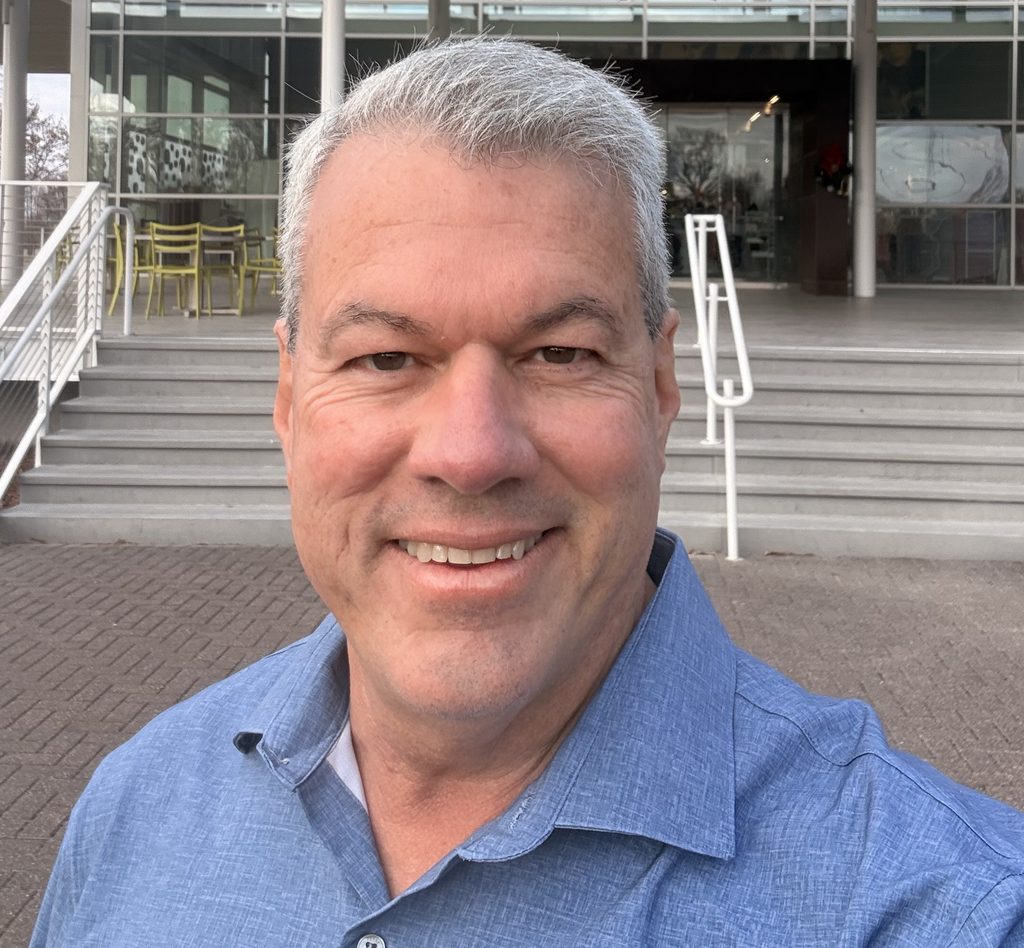
“David can tell you his position,” Piccione said. “He can also tell you your position. He can tell it to you the same way you’d probably say it.” This ability to see a dispute from more than one perspective is one reason Piccione believes Way is suited for the bench. “I think he’d be very fair, very even-handed,” Piccione said.
Piccione also connects that quality to something less readily measured on a legal résumé: humility. Way is intelligent, he said, without needing everyone else to know it. “He’s smart, but also a very humble person, easy to talk to, easy to be around.”
The same reputation followed Way outside the practice of law. Since settling in Lafayette and raising a family, Way became involved in community organizations, particularly Kiwanis. He eventually served as club president and became heavily involved in some of the organization’s largest projects benefiting children, including its football jamboree and Rewards for Reading program.
Carey Chopin, a Lafayette banking executive and fellow Kiwanian, came to know Way through Kiwanis. The two served together in leadership, giving Chopin an opportunity to watch Way when a group had to move beyond discussion and actually make a decision.
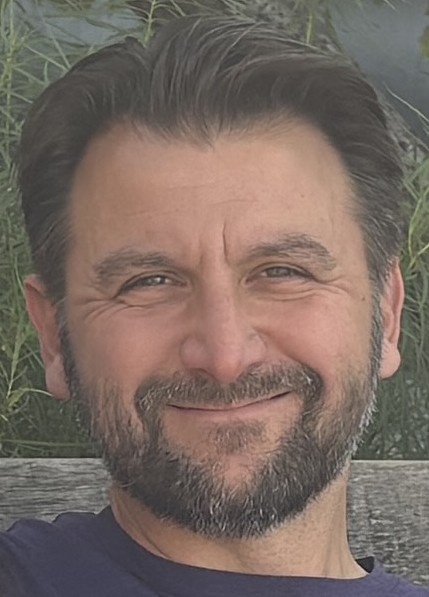
“As long as I’ve known Dave, he’s somebody that I would look to if a decision has to be made,” Chopin said. “I would trust whatever he would say.” The reason, Chopin said, is not that Way invariably tells people what they want to hear. “He’s obviously very honest and he’s very fair,” Chopin said. “Sometimes he has to tell you things that you don’t always want to hear, but he does it in a very, I guess, fair way.”
When difficult questions arise, Chopin said, he trusts that Way has considered them before speaking. “It hasn’t been, you know, just a flippant response or a wild stab,” Chopin said. “He has definitely had a lot of thought involved.”
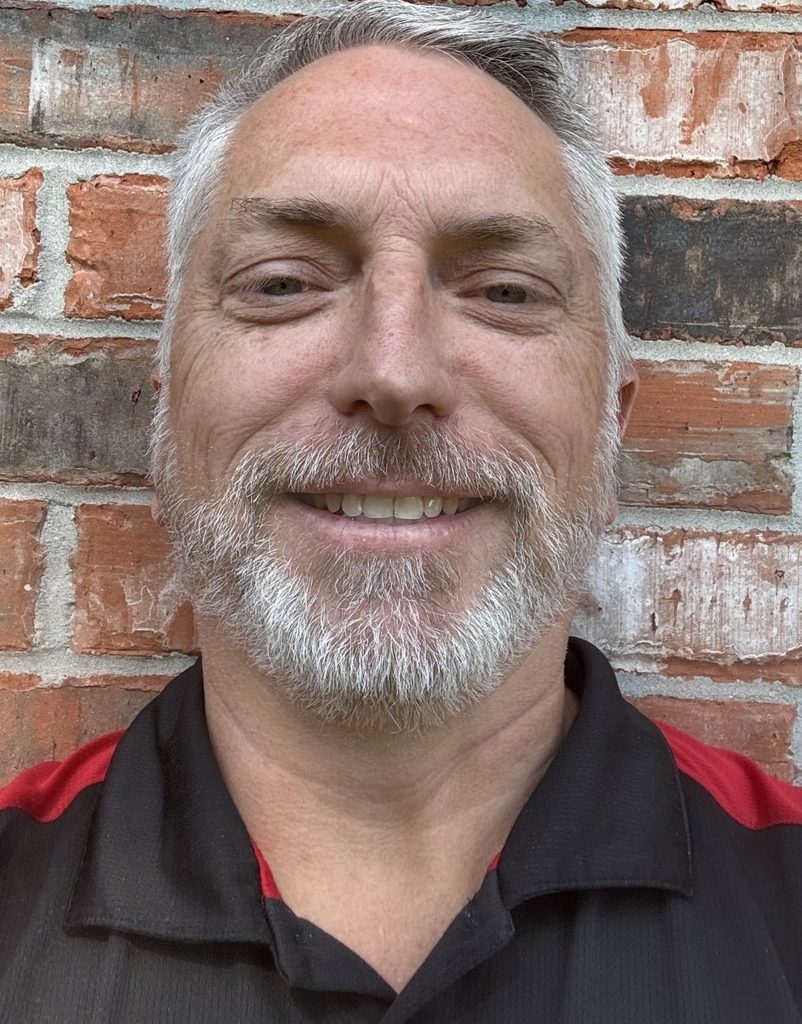
Mitch Falgout, a field underwriter for an insurer, has known Way for more than two decades through St. Pius Church and their involvement in girl’s youth softball. He has seen another side of Way while their daughters were growing up.
Way was successful as a coach. Falgout recalls his St. Pius teams going undefeated during the three years Way coached them. But when asked about qualities that would translate to the bench, Falgout remembered how Way treated the girls who were not stars.
Way made an effort to involve everyone, Falgout said, “not treating the exceptional athletes better than someone who does not have the same athletic ability as the star athlete.” Now, Falgout sees that as an example of the same fairness he believes Way would bring to court. “I know he will be a fair and reasonable judge,” Falgout said. “I think he can take himself away from choosing sides and be fair to both sides, all sides.”
The experiences of these men who know Way are different. One was an opposing counsel in a lawsuit, another is a fellow member of Kiwanis, another coached with Way on a softball field. Their descriptions do, however, converge. Piccione talks about Way’s ability to understand both sides. Chopin talks about trusting him to make a considered decision. Falgout remembers him treating the least talented player with the same fairness as the best.
Way explains what lies beneath what others observe as a “moral compass” instilled by his parents and nurtured by his faith. Way says faith is not something he confines to a Sunday service. He describes having “conversations with the Lord throughout the day,” and when asked what ultimately determines what makes something right or wrong, his answer goes beyond personal preference or even prevailing social opinion. “As to what’s moral, what’s not,” Way said, “I would say just it’s the universal principle objectives of trying to discern a divine order. I think that morality is lining up with as best God’s plan for us.” Way continues, “Our goal is what God wants for us, and how best we can align our lives with His mission and His direction for all of us.”
While Way believes in an objective divine order, but he also recognizes that a judge occupies a public office and must administer the law to people who may not share his faith. “I don’t think a judge can come in and make everybody profess to be a Christian,” Way said.
His faith, instead, appears in his description of the kind of person he believes he should be while doing the job: someone who listens, treats people with dignity, administers consequences when necessary and remains aware of the person standing before him.
Way has begun putting some of those ideas into practice through his service as magistrate judge in Youngsville City Court. He recognizes that people appearing in court are often experiencing a difficult day, and he believes they deserve both respect and an opportunity to be heard. “People want to hear that you take it into account and know that you’ve honestly considered things,” Way said. He recalled a defendant who wanted to plead not guilty to criminal damage to property while simultaneously explaining why he had committed the act. Although Way recognized the contradiction, he understood that the man “just wanted somebody to be able to listen to him.” Way believes that even an unfavorable ruling should not leave a litigant believing his position was disregarded. A person may be found guilty and sentenced, he explained, but that does not mean the judge failed to “honestly consider what they had to say, take it into account,” and reach what the judge believed was the appropriate decision.
That does not mean fairness always requires leniency. Way distinguishes between violent or repeat offenders who must be dealt with firmly and others whose circumstances may call for treatment, intervention or other resources. Judges, he said, are expected to “call balls and strikes and keep things fair and even,” but he believes that responsibility does not require a judge to stop seeing the human being in front of him.
This moral compass also helps explain what Piccione observes in Way outside the courtroom. Piccione notes how he treats people, “I always see him treat other people with respect and with kindness,” Piccione said, whether those people are close friends or “the waitress serving us lunch at a restaurant.”
Falgout likewise describes Way as someone who “can see the goodness in all people.” When Falgout’s home air-conditioning system failed, Way lent him two window units while he waited for a replacement.
Chopin remembers a more difficult period. His youngest son, John Paul, was born under frightening circumstances at a time when Chopin and Way were still more acquaintances than close friends. Way repeatedly asked how the baby was doing, offered to help and told Chopin that he was keeping John Paul and the family in prayer. He continued asking about the child’s progress afterward.
For Chopin, those personal experiences reinforce what he has seen when Way faces decisions involving others. The same was true after Way lost his previous judicial election. “He was never bitter,” Chopin said. “He never really threw his opponent under the bus.” Falgout remembers Way calling the opposing campaign on election night to congratulate the winner and later offering his support. To both men, his response to losing revealed something about the temperament he would bring to a position in which decisions will inevitably disappoint someone.
For Way, good judgment requires listening before deciding, understanding a position before rejecting it, treating the people before the court with dignity and recognizing that the person making the decision is himself accountable to standards beyond his own preferences.
Way is now appealing to the voters’ judgment for the opportunity to serve on the bench. He says the motivation is straightforward. “I want to be judge to help make Acadiana better, and I want to help make the court system better.”
J. Christian Lewis/AI