
Vocation and Devotion to Families
Editor: This is the third in Covenant Spotlight’s judicial candidate profiles. See Archives for previous profiles
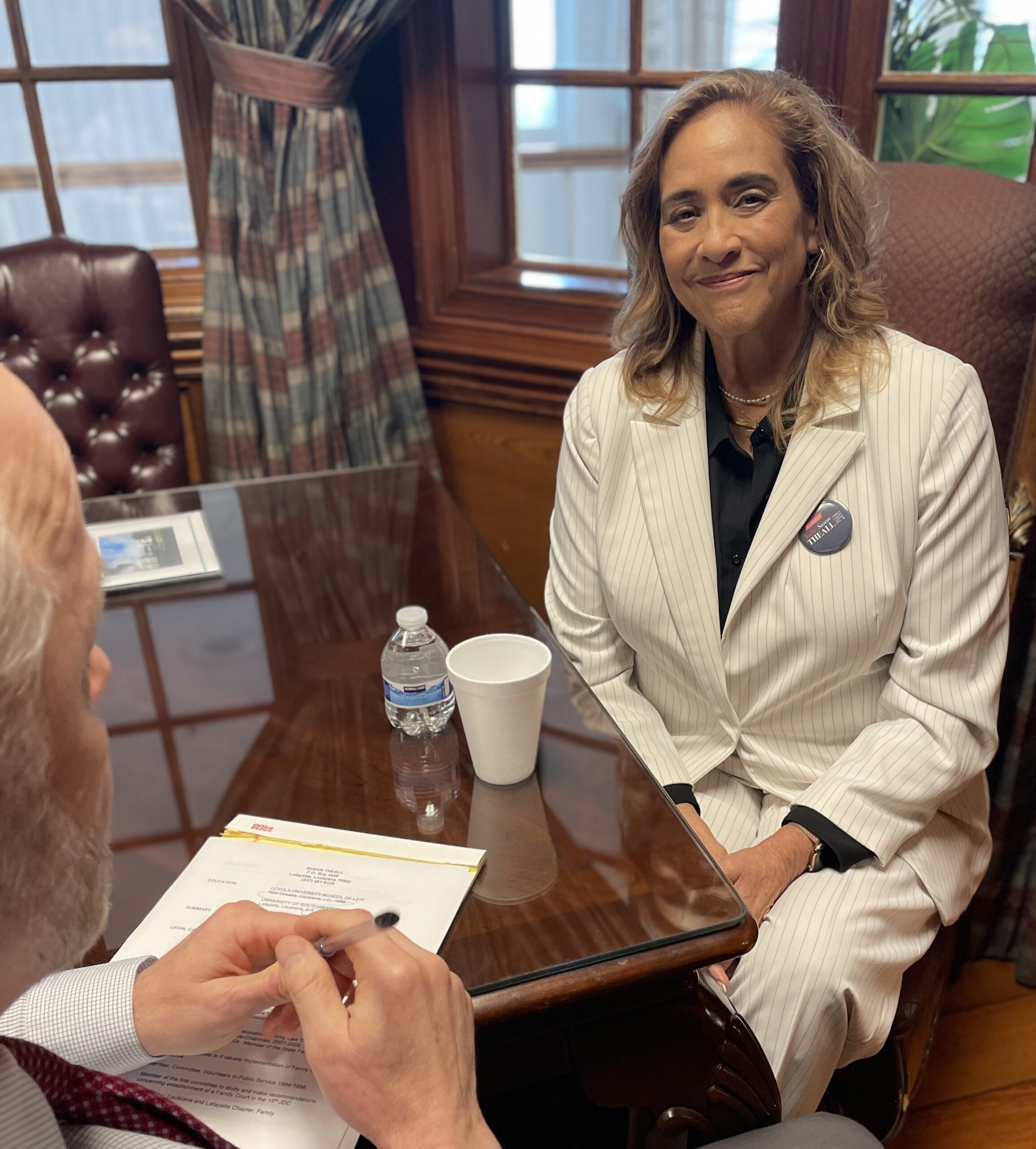
There are certain vocations which help others experience something they themselves may not have experienced. Priests spend their lives strengthening marriages and ministering to families. Religious sisters who never become mothers devote themselves to nurturing and educating children. Coaches teach players to play sports in ways and at levels they never reached themselves. Though Susan Theall’s vocation is different, there are similarities. Not being married or having children of her own, her chosen vocation for nearly four decades has been devoted to representing and serving the families in Acadiana navigate the legal challenges of divorce, parenthood and custody.
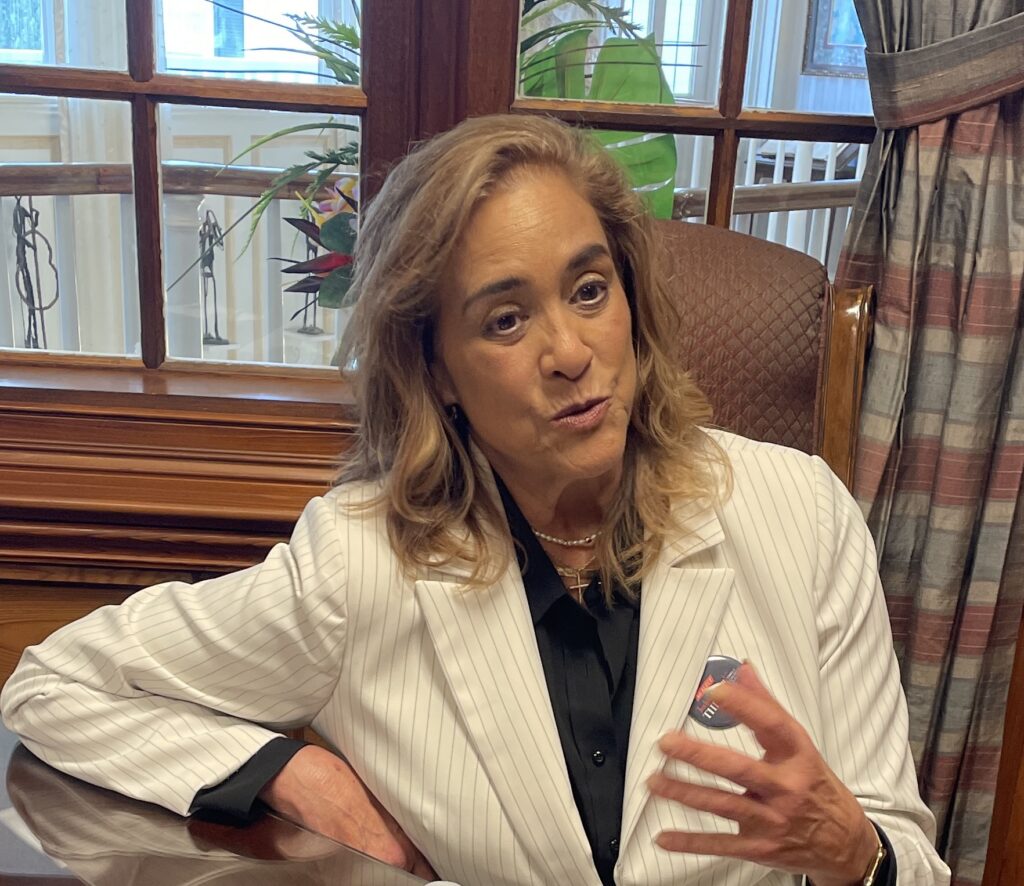
Theall has practiced family law or served as a family court judge for almost all of her legal career trying to guide parents and children through some of the most difficult circumstances of their lives. She is now seeking another term as judge of Division M of the 15th Judicial District Court which encompasses Lafayette, Vermilion and Acadia Parishes. Her current term began in January 2021. She also previously served as judge from 2010 to 2014.
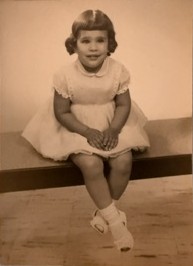
The roots of Theall’s vocation draw in part from her own family experience growing up in Lafayette. One example stands out. As a teenager, Theall was selected to participate in a Miss Merry Christmas competition. Being chosen meant she needed three outfits: a formal dress, something casual and something more businesslike. Under ordinary circumstances, that might have been an exciting excuse for a shopping trip. These were not, however, ordinary circumstances in the Theall household. Her father had died from a brain tumor during the summer between her freshman and sophomore years of high school, leaving her mother, Doris, with four children to raise. Doris had not worked while raising the children, but now she had to return to work, and the family could no longer afford private school tuition. Susan left Teurlings Catholic High School, transferred and eventually graduated from Northside High School.

Doris somehow still found the money for those three outfits. Years later, Theall asked her mother how she had managed to provide them while supporting four children after her husband’s death. Doris said she never bought new clothes for herself while her children were in high school because they could not afford it, explaining, “Well, you know, you were my little girl. You know how mamas are. I had to make sure that you got what you needed. Baby, you just do what you got to do.”
Only in adulthood did Theall fully appreciate those sacrifices. “I didn’t know that I had grown up with less than other people until I went to law school in New Orleans,” she recalled, where encountering people from considerably more affluent backgrounds came as a surprise. Despite the family’s financial struggles, she never felt deprived. “We had so much love and togetherness that I never felt deprived or felt like I didn’t have what I needed,” Theall said. “My mother made us who we all are.”
More than 50 years later, Theall sees families confronting their own versions of those choices from the bench of Division M. Divorce can mean taking an income that once supported one household and stretching it across two. “Moms are worried about whether they’re going to be able to support their kids,” Theall said. “Dads are worried about whether they’re going to see their kids.” Though her own circumstances are different today, she acknowledges that growing up left her with an understanding of financial discipline, “I also know what it’s like to pinch pennies.” She put herself through college and law school, working two and sometimes three jobs at a time while attending the University of Southwestern Louisiana.
Theall graduated from the University of Southwestern Louisiana with a degree in English in 1980 and Loyola University School of Law in 1985. She then clerked for Judge Robert Brinkman in Opelousas. When the clerkship ended on a Friday, Theall opened her own law office the following Monday. Family law was not the career she had originally envisioned, and her early practice included several areas of law. A custody case in Pointe Coupee Parish, however, changed her professional direction.
Another lawyer had referred a difficult case involving a father who primarily wanted dependable visitation and to know where his child was living. The dispute ultimately resulted in the father receiving domiciliary custody, an unusual result at the time. For Theall, the significance was not simply winning a case. It was seeing what the outcome meant to the father and his family. “When I saw the impact that that representation had on that family, I got suckered in,” she recalled. She realized that family law offered an opportunity to make a meaningful difference in people’s lives. What began as an unexpected assignment became the defining work of her career.
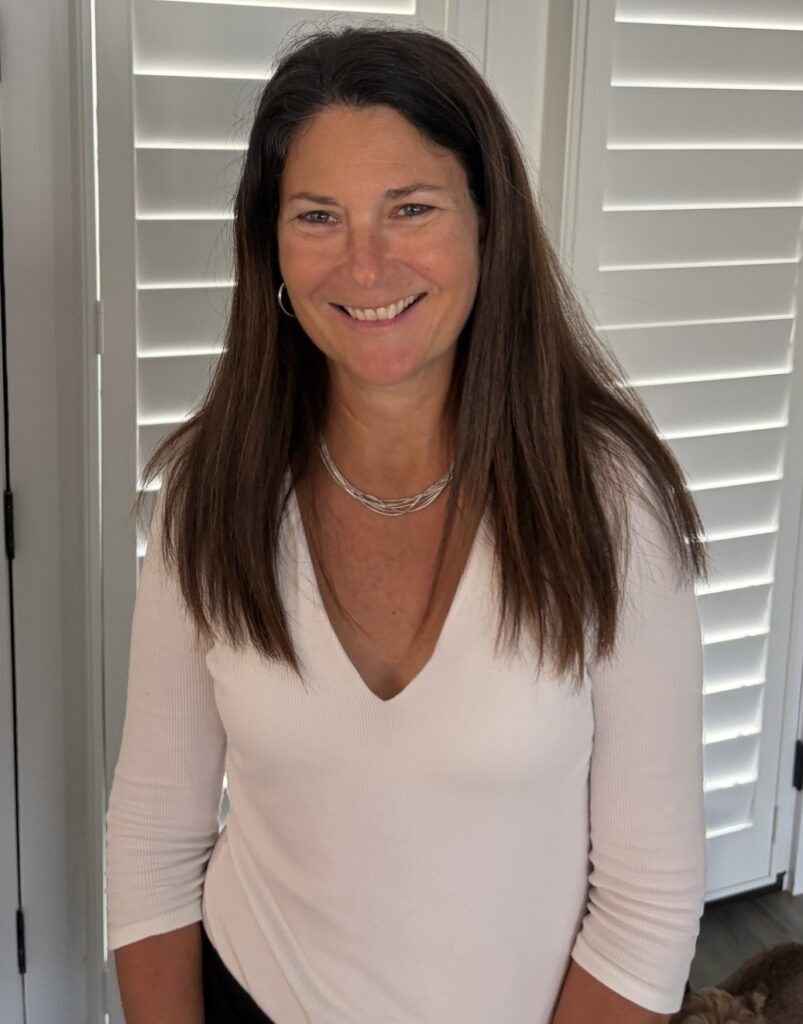
Stephanie Van Fleet has watched much of that professional life unfold from close range. She has worked with Theall for more than 35 years, beginning when Theall still handled workers’ compensation, Social Security, personal-injury and family cases. Van Fleet was finishing a legal-assistant program when Theall hired her, and when Van Fleet worried that taking the job would prevent her from completing her degree, Theall contacted the state and arranged for her remaining requirements to be completed through training under her supervision. Over the years that followed, she watched Theall increasingly concentrate on family law. “She loves being able to help families,” Van Fleet said. “She thinks this is the most important type of law that you can practice because you make differences on families and on children.”
Van Fleet sees that devotion as more than professional enthusiasm. “She’s a very caring, hard-working, compassionate person,” she said. “She’s passionate about family law. She’s compassionate about serving the families in family court.” Theall’s practice eventually became devoted almost entirely to family matters, and in January 1995 she became a board-certified family law specialist. She first served as Division M judge from December 2010 through 2014, returned to private practice and then returned to the bench beginning in 2021.
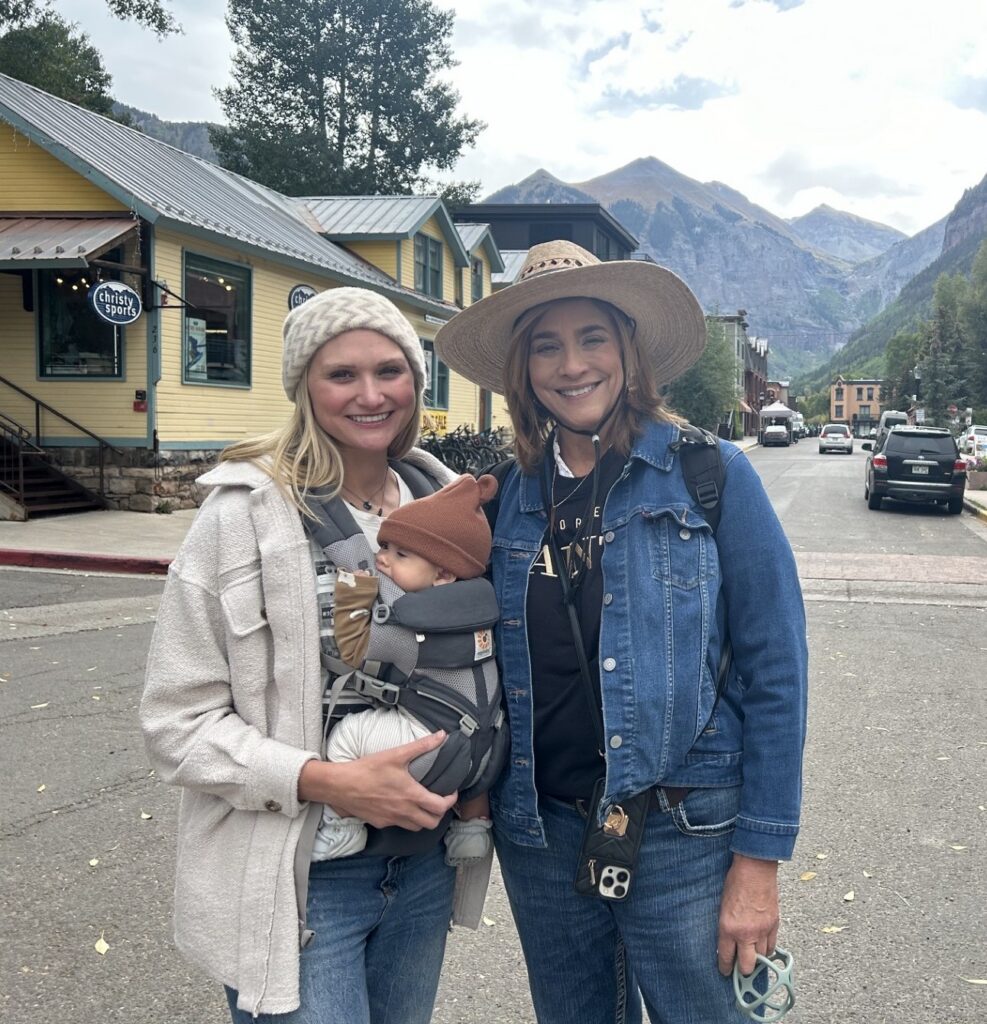
Theall follows her mother’s example when it comes to her own family. Her niece, Mariena Dearman, knows her as “Susu”. She describes a relationship that became much closer than the conventional relationship between an aunt and niece. “My mom is very present. My dad is very present. But Susu has always been just a very motherly figure to me,” Dearman said. During college, Dearman lived with Theall. Today, despite Dearman being married with children and living in Oregon, “We talk almost every day, if it’s not through text or if it’s through a phone call, but at least once a weekend we have you know an hour, two-hour, three-hour long conversations about just life. She’s like my best friend,” Dearman said.

Dearman remembers Susu’s maternal role as also having plenty of fun mixed into it. During high school, she came home one day upset over what she now remembers only as some high school drama. Theall borrowed a friend’s Porsche convertible, pulled up outside and honked the horn. Dearman remembers her aunt calling for her to get into the car so they could drive around town and forget her troubles. “Get in. We’re going ride around town,” Theall told her, according to Dearman. “Let your hair down.” The plan was to drive past her friends’ houses, honk the horn and invite anyone who wanted to come along for the ride. Years later, Dearman cannot remember what had made that particular day so bad, but she remembers what Susu did for her.
Their relationship has continued into another generation. Theall travels to Oregon several times a year and has tried to become as much a part of Dearman’s children’s lives as the distance allows. One Christmas, Theall recorded reading a storybook so the children could hear Susu reading to them even when she was back in Louisiana. Theall helped arrange both of Dearman’s children’s baptisms in Lafayette, bought their christening outfits and, Dearman said, has remained interested in their religious upbringing. “She really wants to be as present in their life as she was in mine,” Dearman said.
Dearman also sees a connection between her aunt’s family relationships and her professional work. She describes Theall as someone who takes difficult cases home with her emotionally, especially when children are involved. “It affects her, especially when it’s a hard case,” Dearman said. “It affects her, and she wants to make sure that she’s making the right decision, especially for the child.” The same concern that has made Theall an important figure in Dearman’s life, she believes, carries into the courtroom.
Family responsibility became considerably more serious when Theall’s sister Jennifer developed cancer and later suffered a stroke. Theall brought Jennifer into her home and, with the help of sitters, cared for her while continuing to practice law. Van Fleet remembers that period as one example of why she has come to regard Theall as more than an employer. “She’s more like family to me,” Van Fleet said. “We’ve been through the deaths of all of our parents, her sister, my brother-in-law. She’s helped me through my divorce and much more together.” When Van Fleet’s mother died of stomach cancer during the COVID restrictions, attendance at the funeral was severely limited. Theall and members of the office were among the small number Van Fleet placed on the guest list. “They were my rock,” she said.

Theall’s relationship with her mother Doris remained close through her later years. Van Fleet remembers Theall regularly visiting her after she entered a nursing home and making sure she was cared for. Only a few days before Doris died, Van Fleet, Theall and their friend Priscilla took her to Sunday brunch. Doris, still energetic and social in her 90s, joined them in a mimosa toast. “It was wonderful to see she still had that life,” Van Fleet recalled.
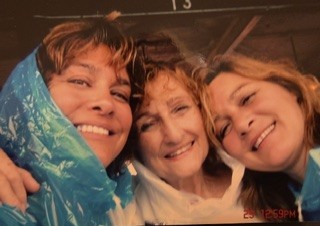
Van Fleet sees Theall’s personal devotion to family, expressed through the care of her mother, sister, niece and extended family, as having its professional counterpart in a courtroom where children often bear the consequences of adult conflict. Van Fleet said Theall tries to keep children away from the courthouse and out of their parents’ disputes whenever possible. She believes children should not be drawn into adult disagreements, particularly when parents are angry with one another. Although Theall has spoken privately with children in some cases, she generally prefers that a counselor or psychologist handle those conversations when possible because a trained professional can meet with a child more than once and in a setting removed from the courtroom according to Van Fleet.
Theall also tells parents something that can be uncomfortable to hear in the middle of a custody dispute. If they cannot make decisions together, they are handing those decisions to someone who knows far less about their children than they do. She reminds parents that their anger toward one another may be allowing a complete stranger to decide important questions about their children’s lives. “Yeah, I’m the stranger,” Theall tells them. “I’m going to make as good a decision as I can. I’m going to listen. I’m going to take notes. But y’all know more than I do.”
One of Theall’s initiatives on the bench has been Kids First, a program created to address parents whose drug or alcohol problems are interfering with their ability to care for their children. The program began, Theall said, with “me and my assistant with no money,” and now has three employees who help coordinate testing, evaluations and treatment.
Van Fleet remembers occasions when former litigants approached Theall while they were eating lunch. At the time their cases were pending, they had resented the judge for requiring them to comply with treatment and testing. Later, after becoming sober, they sought her out to thank her for holding them accountable. One mother told Theall that she and the child’s father had progressed to sharing custody. “They didn’t like her at the time, but later, after they got clean, they realized what she had done for them,” Van Fleet said. To her, those encounters demonstrated that a judge’s difficult decisions can sometimes benefit families in ways that are not apparent when the decisions are made.
Attorney Jonathan Jarrett has observed Theall from another vantage point. One of his first significant family-law hearings after opening his own practice was before her. He was a young lawyer appearing in court and remembers being particularly well prepared but also particularly nervous. Theall listened, treated him respectfully and afterward gave him advice he has carried through his practice: prepare for everything you reasonably can, because while a lawyer cannot control every result, the result should not turn on a failure to prepare.

Jarrett has since appeared before Theall hundreds of times. He describes the quality he most associates with her as a desire to do what is “number one fair and number two good for children.” He has particularly noticed her treatment of litigants who arrive without attorneys, saying he has heard her “bend over backwards” to give them an opportunity to be heard while still remaining a judge rather than becoming their advocate. To Jarrett, making people feel that they have been heard is important even when they do not receive the result they wanted.
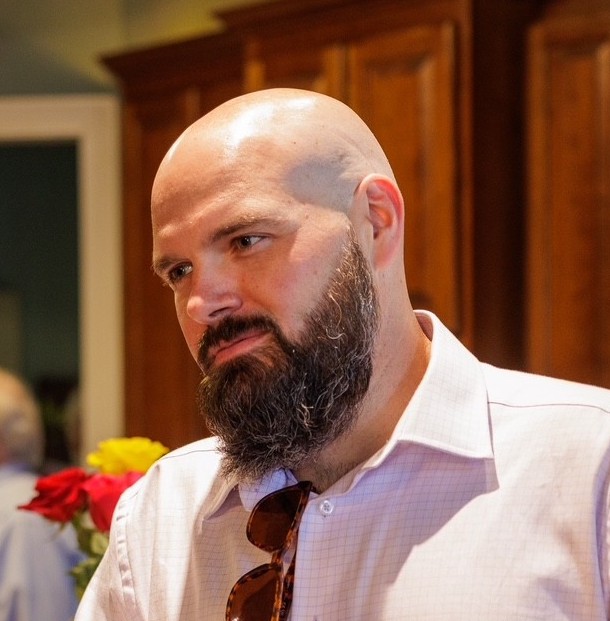
Jarrett also emphasizes Theall’s patience and kindness toward people who may be frightened, angry or unprepared for the legal process. He believes those qualities reflect her Christian faith. A judge is required to apply the law, but Jarrett observes that the law does not itself compel a judge to be patient or compassionate in explaining a difficult ruling. He sees those qualities as particularly important in family court, where the people appearing before a judge are often experiencing one of the most stressful periods of their lives.
He also describes Theall as “a student of the law.” Family law, Jarrett notes, is far more legally complex than the popular perception that judges simply make instinctive decisions about what seems best for children. Statutes and a substantial body of jurisprudence govern those decisions. When an unfamiliar issue arises, he said, Theall will research it rather than assume she knows the answer. “She is tethered to the law and family law,” Jarrett said.
Theall describes the process of reaching justice as trying to do the right thing. She explained that judges must listen patiently to the evidence, attempt to discern what is actually occurring between the parties and reach a result without favoritism. “Justice is applying the law,” she said, adding that it must be done fairly and evenly. The outcome one party dislikes is not necessarily an injustice; sometimes it is simply the result the evidence and law require.
In considering the deeper question of what makes conduct objectively right or wrong, good or evil outside the courtroom, Theall focuses on the harm people cause one another. She sees evil as causing unnecessary suffering to be inflicted on others, the disregard for human life that accompanies violence while considering the possibility that people who act cruelly may themselves have grown up without sufficient love or respect. When considering if there is an objective standard that determines what is good and what is evil, Theall goes back to her religious faith and the importance she sees in seeking guidance from a “higher power” when confronting difficult decisions with hope of receiving help to do that which is right and good.
In those moments, from the courthouse, Theall said she can see the Cathedral of St. John the Evangelist. On difficult decisions, particularly those involving children, she sometimes looks toward it and jokingly refers to having a “direct pipeline to God.” What she asks for is the “gift of discernment” to make the right decision. “There are some difficult cases sometimes where you really want to make sure you do the right thing,” she said. On those occasions, she asks, “Am I doing the right thing? Please, you know, help me make sure.”
Van Fleet has witnessed the same practice over decades of working with her. She remembers Theall turning to prayer when struggling with consequential decisions and seeking God’s help in reaching the best result for the families before her. For Theall, prayer does not replace the evidence or the law; it accompanies the recognition that a judge can prepare, listen and analyze carefully while still understanding the limits of her own judgment. As Theall said during the discussion of faith and moral questions, “None of us, none of us can do it alone.”

Theall was raised Catholic and remembers her father as the spiritual center of the household. There was an Advent wreath during Advent, Mass every weekend and family prayers at night. Her father sometimes attended Mass in the morning, and Susan would go with him while the other children stayed home. Afterward, they stopped at the Ziegler Hotel, where he had coffee and she had chocolate milk and a biscuit. “It was our special time,” she recalled.
Like many young adults, Theall became less regular in her religious practice after leaving home. She credits Loyola with bringing faith back into greater focus. The Jesuit law school, she said, emphasized not only how fortunate its students were but the obligation to give something back and to live their faith beyond Sunday. In 1989, a Cursillo retreat deepened that return, and she has since made several three- and five-day silent retreats at the Jesuit Spirituality Center at St. Charles College in Grand Coteau. She now attends Holy Cross Catholic Church.
Jarrett sees Theall’s faith somewhat differently, through the ordinary conduct he observes in court. He describes the patience she extends to litigants regardless of their background, beliefs or conduct as a distinctly Christian quality. He also points to Theall’s concern for litigants of limited means and her efforts to make family court more accessible to those who cannot afford counsel. To Jarrett, concern for the poor and kindness toward difficult people are not incidental virtues but part of the practical expression of Christian faith.
She would also like to expand Kids First. Parents with Medicaid or private insurance can generally be connected with treatment, but Theall says the program has a much harder problem when a parent has no insurance, no Medicaid and no money. “What do you do with those parents? They deserve help too,” she said. “Their children deserve parents who are drug free or alcohol free.” She would like family court to receive some of the funding being distributed to address opioid addiction.
The workload itself presents another challenge. Theall says approximately 40 matters appear on her Wednesday docket, except during weeks devoted to trials. With only two family-court judges serving the three-parish district, she believes the courts are carrying a workload that makes it difficult to devote sufficient time to every case. She responded by beginning court an hour earlier, at 9 a.m. instead of 10 a.m., and by scheduling pretrial conferences before the day of court. Those conferences allow lawyers to discuss the issues and the evidence with the judge, and they give parents time to consider possible resolutions without feeling forced into an immediate decision on the morning of their hearing.

But Theall believes greater efficiency alone cannot solve the problem. “We really need a domestic commissioner or another judge,” she said. She acknowledges that obtaining another judgeship would be difficult and would require action beyond her own authority. A domestic commissioner, she believes, could help relieve some of the burden. Existing hearing officers already assist in resolving many disputes, but the volume of cases remains substantial. She also wants greater use of mental-health professionals to identify high-conflict families earlier, before repeated litigation deepens the hostility between parents and harms their children. She points to other jurisdictions that have incorporated such assistance and would like to explore how similar services could be funded locally.
“My absolute belief is that I’m the best person for the job right now,” she said when asked what keeps her seeking the position. She spoke of her continuing enjoyment of family law, the passion that developed after her first custody case and her belief that she can still bring energy and innovation to the court. “Many lawyers will never step foot in family court, but it’s been my passion, you know, since I really tried that first custody case,” she said. “I still look for different ways to solve problems,” she added, “and I want to continue to serve our community.”
Theall speaks about public office in much the same way Loyola once taught her to think about a believer’s vocation, ““This is not about me; it’s about serving my community with talents that are God-given.”
Susan Theall now hopes her record with the families whose lives have passed through her courtroom will convince voters to allow her to continue in her vocational calling through which she has found fulfillment.
J. Christian Lewis/AI assisted