
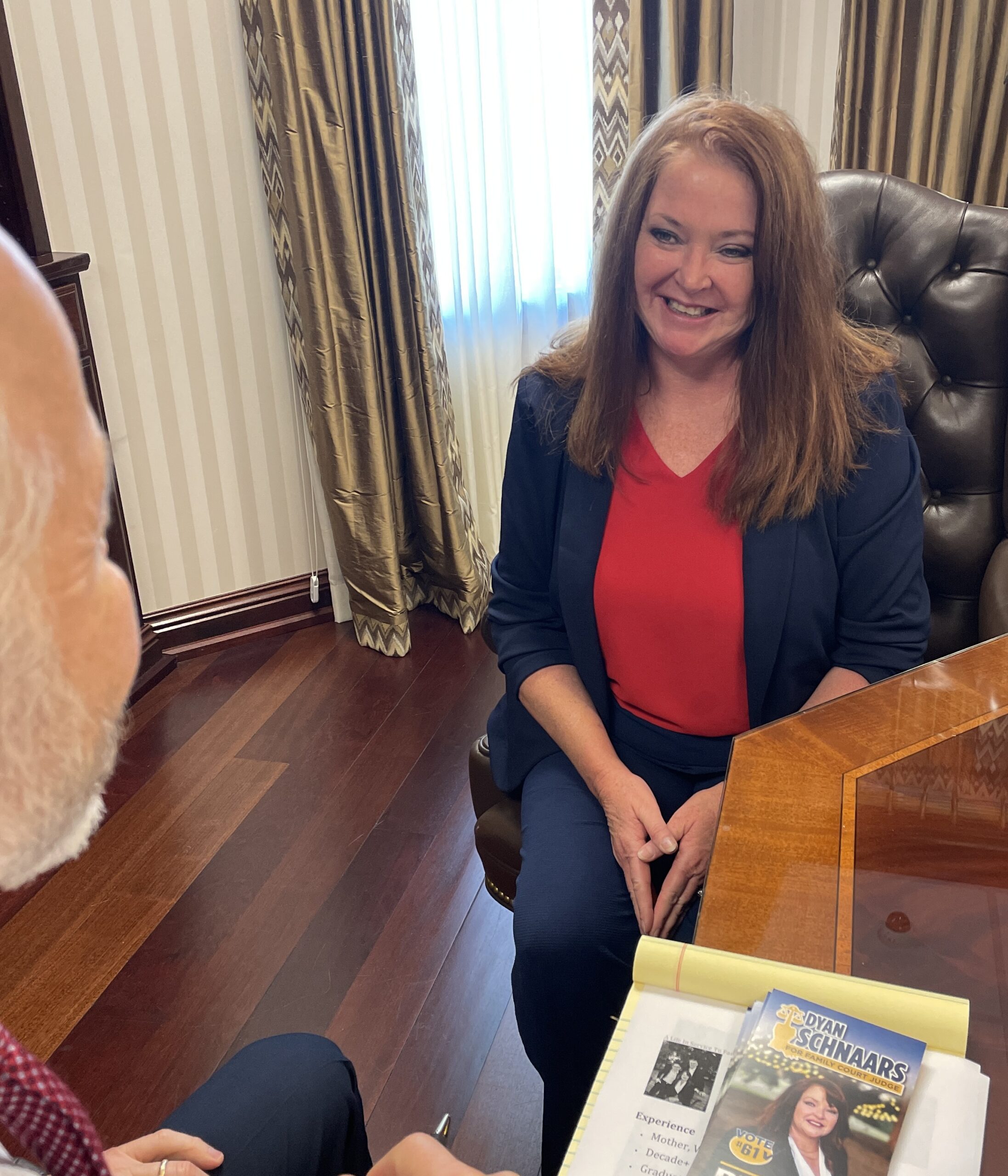
Faith, Hardship, Hard Work, and Fresh Starts
Editor’s Note: This is the fourth in Covenant Spotlight’s series of profiles of judicial candidates.
Dyan Schnaars remembers a Christmas when one of her most treasured gifts was a brand-new outfit. It was not expensive or elaborate, but it belonged to her alone. It had not been handed down from an older sibling or purchased secondhand. For a girl growing up in a family of 15 children in rural central Louisiana, that distinction made it memorable.
“We were straight up poor,” Schnaars recalled. “I mean, we were poor.”
Born in Shreveport and raised near Alexandria, Schnaars and her twin brother were the youngest of the blended Heminger family. Her father purchased an acre and a half of land and built a one-room house with a wood stove and a sleeping loft the children reached by a ladder. The family used an outhouse.

Schnaars remembers that changing when members of their church arrived one weekend. The women helped her mother cook while the men went to work. Over two weekends, they added a bedroom, kitchen and bathroom to the home. It was an early lesson not only in hardship, but in what other Christians can mean to a family going through it. Faith had been part of Schnaars’ life from childhood. Her family attended Hemphill Star Baptist Church, and from about age six to 16 she sang with her twin brother and sister in a gospel trio that traveled to churches around Central Louisiana.

Growing up poor in the country did not mean growing up unhappy. She recalls playing outside in the Kisatchie National Forest, raising chickens, ducks, rabbits, and growing vegetables and trading food with families at church. They worked hard and never went hungry.

Schnaars also remembers the generosity of people who recognized her family’s other needs without making a public display of helping. One neighbor took the girls shopping for new Easter clothes. Those experiences taught her the difference between offering platitudes and actually meeting someone’s needs. “They see the need and they meet it,” she said of the people who helped her family. She believes such generosity preserves the dignity of the person receiving it and demonstrates what she calls the “hands-on love of Jesus.”
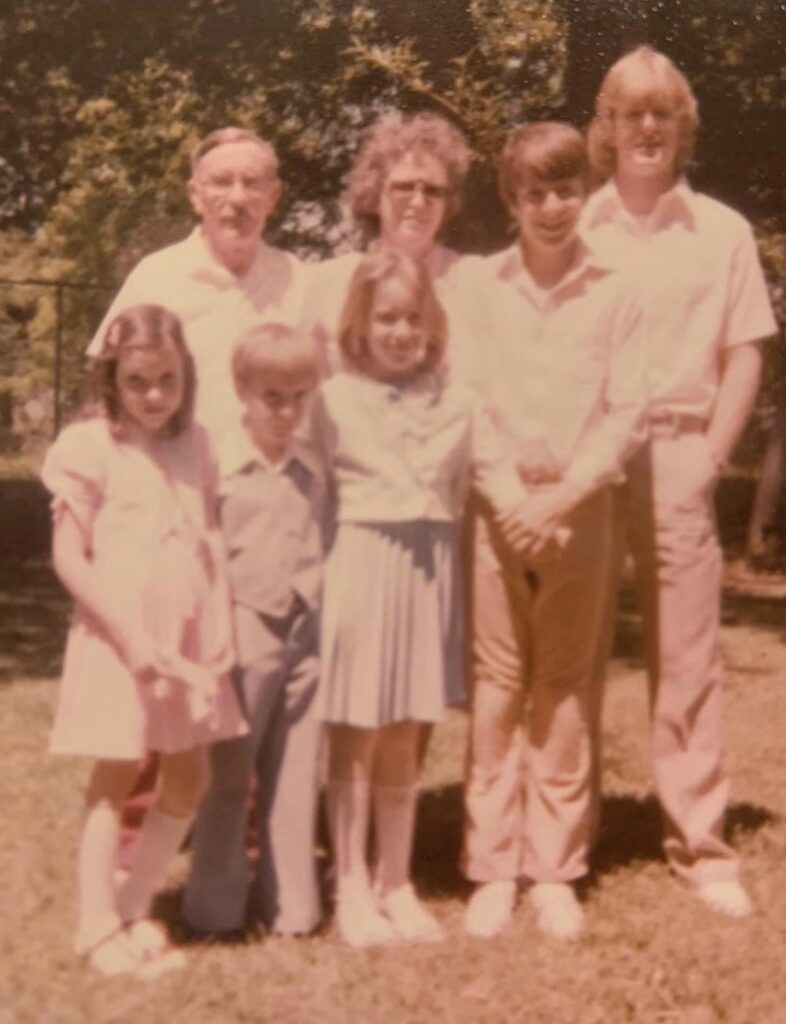
It was only when she reached high school that Schnaars became acutely aware of how differently others viewed her circumstances. “We didn’t feel like we were missing anything until I got in high school, and high school kids are mean,” she recalled. But Schnaars grew to know to measure herself by something other than possessions or the opinions of others. “God tells me who I am. He’s the only one who has the right to do that,” she explained. In poverty, she also learned “Family relationships are super important. Doing what you say is super important.”
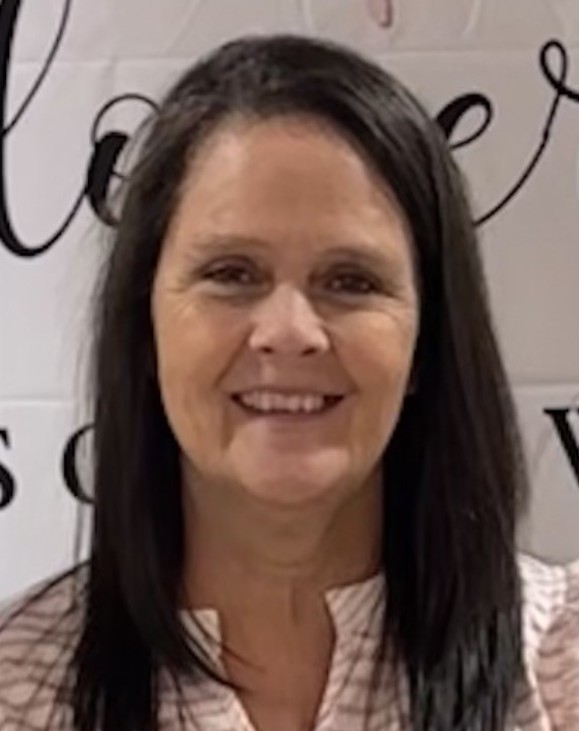
Longtime childhood friend Lisa Taylor echoed Schnaars’ description of her family’s finances. Taylor remembers that while Schnaars’ family had noticeably less than most, the family was one of honest, active in church and hardworking, particularly Dyan who was a “sweet, kind-hearted” person. Taylor recalls, “They were always honest. They were always working at church, working their gardens around their house to try to sell vegetables. Dyan worked hard in school, she was very smart and always in the books studying.”
With adulthood came traumas, setbacks, yet also fresh starts. In the summer after graduation from Oak Hill High School, she was assaulted. Schnaars believes the trauma contributed to the failure of her first marriage. Schnaars initially attended Northwestern State University but did not finish. She eventually moved to Lafayette and began building a career from the ground up in the legal profession, not as an attorney, but doing reception and typing work and eventually becoming a paralegal.

Then came another life-changing turn. At 23, Schnaars became pregnant with her first son while unmarried. She describes that moment as a spiritual turning point that, in her words, “brought me to my knees.” Although she had grown up in a Christian home and made a profession of faith as a child, Schnaars says becoming a single mother forced her to confront what she personally believed and how she intended to live. She recalls, “When I saw a plus sign on a test for pregnancy and I was by myself, that’s when He, that’s when everything came to a head, and I realized I did not want to live that way anymore. And from that moment, nothing has changed. He is Lord and will be forever.”

Vonda Broussard watched much of that transformation firsthand. Broussard, now a corporate vice president of human resources in Lafayette, worked with Schnaars for years while serving as administrator and office manager at the Lafayette firm where Schnaars was a paralegal.
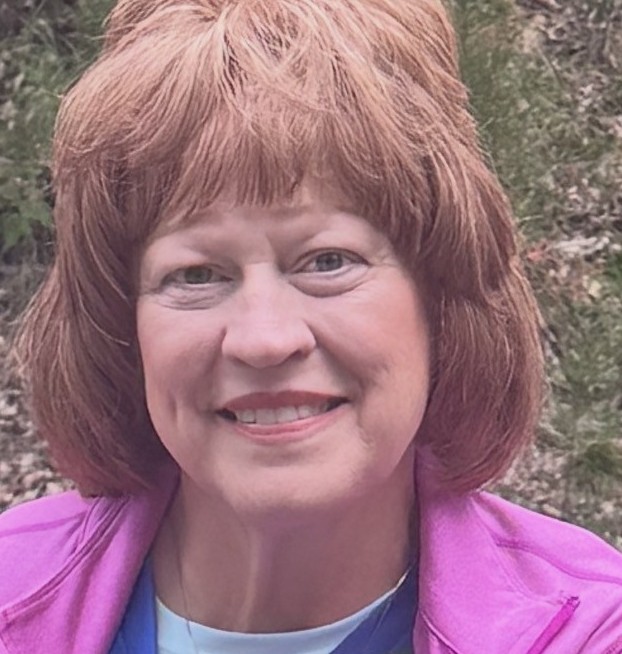
Broussard remembers that the two women shared more than a workplace: both were single mothers at the start of Schnaars’ career trying to balance their jobs with raising young children. When work demands created transportation or childcare problems, Broussard recalled, Schnaars was willing to rearrange her own responsibilities to help.
“If one of us had to work late, the other one could leave and go pick up both kids and bring them back to the office,” Broussard recalled. At times, that help extended beyond a ride home, with one mother keeping the other’s child overnight when work required travel.
She continued working and raising her son. A senior partner at the law firm repeatedly encouraged her to return to college. Schnaars went back to school in 2005 and completed her undergraduate degree at the University of Louisiana at Lafayette in 2008.
Shortly thereafter, in addition to taking advice from the senior partner, Schnaars’ deepening faith led to a greater trust in God: “What God wanted me to do was stop stressing so hard over what I thought I needed and understand that what He had for me was more than I could ever imagine.” Schnaars, then in her mid-thirties, soon saw the fruit of her trust, “So, when I quit fighting it all and just started walking it out, I got accepted to law school and met my husband and got married.”
She then entered Southern University Law Center, attending from 2008 through 2012.
There was another fresh start taking place at the same time. Schnaars met Matthew Schnaars, whom she married in December 2008. They later had a son, who is now sixteen, together. What had once looked to Schnaars like a future in which she might have to choose between family and career instead became both.

After law school, Schnaars worked in several areas of practice before finding the work that would ultimately define her legal career: family law. She joined an established firm which was seeking an attorney for its new family law division. Attorney Rusty Galloway, a partner, helped teach the relatively new lawyer the mechanics of preparing and trying cases. Galloway remembers sitting down with her before early trials, writing out questions, taking depositions together and preparing for court.
What stood out, he said, was her work ethic and willingness to learn. “She learned, she wanted to learn, and she worked hard at getting ready for trials,” Galloway recalled. Eventually, Schnaars was handling the work on her own. When the firm later decided to leave family law, Schnaars faced another choice: change practice areas or start over again. She chose family law. Schnaars left with approximately 70 family-law files and opened her own practice in a one-room office. As the practice grew, she moved in 2018 to larger quarters and ultimately established her office in River Ranch.

Galloway says the young attorney he helped train became a lawyer to whom he would later refer others. “She became an incredible lawyer,” he said. “I would send people to her.” He describes Schnaars as calm and deliberate, someone who “thinks things through” and can identify what matters in a case. Although she can be a passionate advocate, Galloway believes she has the ability to step out of that advocacy role and listen to opposing sides fairly.
Broussard, her former colleague, says she has seen Schnaars’ willingness as a lawyer to give her time to others. She recalled referring someone to Schnaars who needed legal guidance but could not afford to hire an attorney. Rather than simply turning the person away, Broussard said Schnaars spent an hour and a half to two hours talking with the person, explaining the situation and offering guidance without charging a fee.
“She gives more of herself than she ever expects in return,” Broussard said, describing what she believes has remained constant from their years together as struggling single mothers through Schnaars’ legal career.
Schnaars sees a connection between the difficult chapters of her own life and the people she now encounters in family law. Family Court rarely meets people at their best moment. Its cases involve marriages ending, parents dividing time with children, financial uncertainty, addiction, abuse, remarriage and families trying to determine what life will look like after the structure they knew has changed.
Schnaars says, having experienced some of those kinds of life trials and fresh starts herself, affects how she deals with people on both sides of a family dispute. Schnaars recalled once being approached at church by a woman whose former spouse she had represented. The woman remembered Schnaars as the opposing attorney but told her that Schnaars had treated her with more kindness than she had expected during a painful period.
For Schnaars, the encounter reinforced her willingness to also represent the party abandoning the marriage, “They’re all people. I have to be kind. I have to make sure that it doesn’t become personal. It’s just stabilizing the situation as fast as possible for all the parties involved, so that they can get through that trauma without more trauma.”
In pursuing election to Lafayette Family Court, Schnaars embarked on another fresh start. Having practiced almost exclusively in family law for approximately 12 years on an essentially exclusive basis and having regularly appeared in the 15th Judicial District Court, Schnaars hopes to bring to Division M her own docket management style that she believes will improve and expedite the resolution of cases quickly, eliminate multiple continuances yet without compromising the parties’ opportunity to properly prepare. She believes her willingness to work until 7 o’clock at night during trial weeks also will help with this.
Schnaars proposes use of pretrial orders, deadlines and status conferences to establish realistic dates for evaluations, counseling, depositions and other steps necessary to bring a case to a timely resolution. The goal, she says, is a faster and predictable docket. Schnaars believes this will help reduce keeping families and children “in limbo for up to two years trying to find out.”
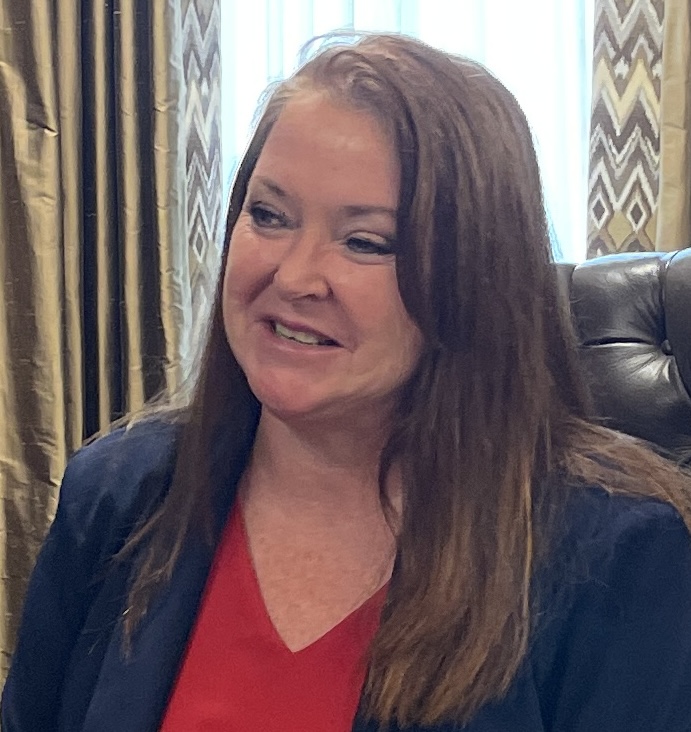
Schnaars describes her judicial demeanor will be one of empathy and compassion without either being a substitute for the law. “It’s not the controlling factor,” she said of empathy. Instead, she believes it will help her listen closely enough to understand the conflict before applying the law and deciding how best to move the family toward stability.
Schnaars says her belief in God informs her understanding of human dignity and the source of fundamental rights and that moral standards ultimately derive from an authority higher than human government. She also acknowledges the distinct responsibility she would assume upon taking judicial office. “My job as a judge is to apply the law of Louisiana and the Constitution,” Schnaars said. She says the Christian faith that sustained her and strengthened her through earlier chapters of her life would remain part of who she is.
Having built up a private practice through hard work, Schnaars says seeking the bench is not out of personal ambition. Schnaars said she is not seeking election for prestige, “I don’t seek the seat. I seek the job.” She explains, “When I’m practicing family law, I know that God called me to do it. He didn’t call me to do it because I’m a great public speaker, or He wants me to be rich. He called me to do it because I’m an empathetic person. He called me to do it because I have a humility from my upbringing that reminds me constantly that people are the same at their base level. They want to be loved, understood, and accepted.”
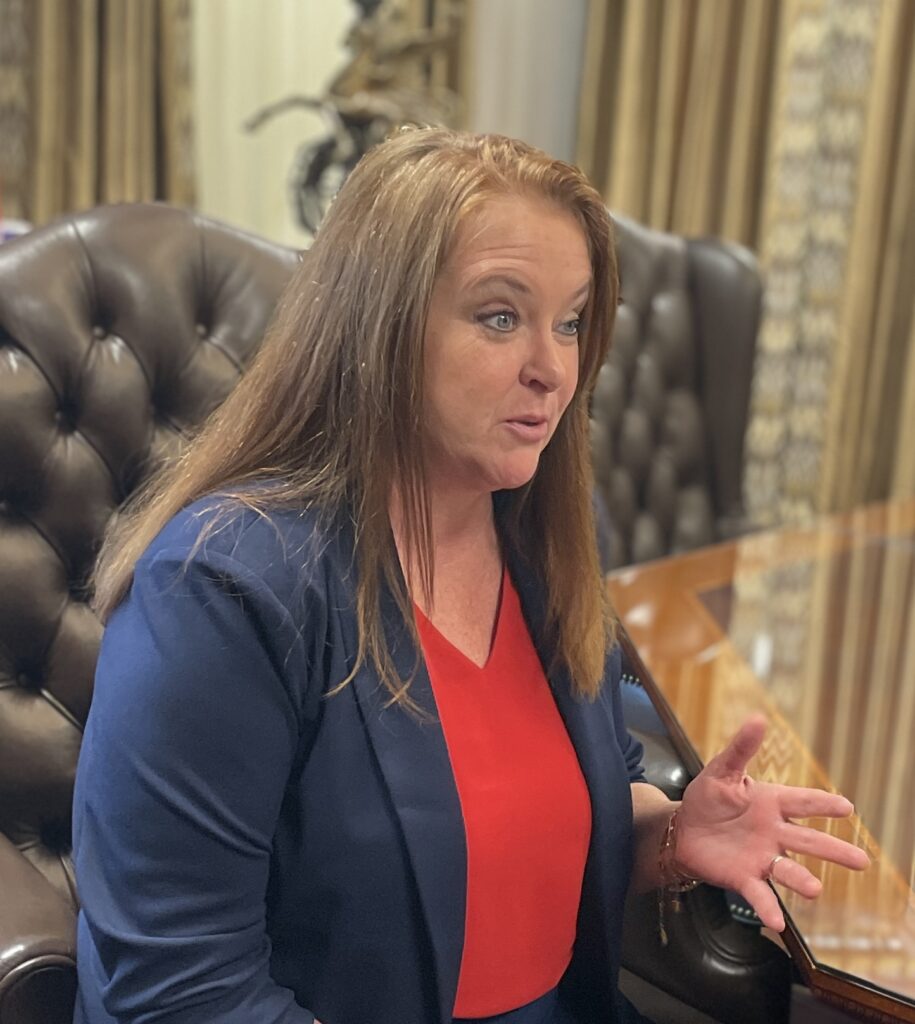
Schnaars sees her role as a family law attorney, and possible judge, as part of healing broken families, “They need tools to grow through and heal. So, I care about people. I want to hear people and to help them get to the next step of healing. What can I do to get them to the next step of moving forward to be a better mom, better wife, better husband, a better parent? I strongly believe that family law is set up to be fair to both parents. I believe that this court has the structure and tools that address all of the issues that can detrimentally affect a child, addiction, abuse. I just don’t see those tools always being used the way that they need to, or as quickly as they need to get these families stabilized quickly.”
As such, Schnaars views becoming a family law judge as a calling centered on listening to people, understanding the circumstances affecting their families, working hard, and implementing her docket management which she believes will help families.

From a childhood in a one-room house to a career in family law, Schnaars’ life has included several new beginnings. She describes the lessons of poverty, personal trauma, the responsibilities of single motherhood, the demands of returning to school and the hard work of building her legal practice as experiences that have brought her through trials into blessings. The familiar expression about walking a mile in someone else’s shoes before judging them carries particular meaning for Schnaars, who has walked some of the difficult paths faced by those appearing in family court. She believes those experiences have taught her to listen carefully, recognize the dignity of people in difficult circumstances and appreciate the importance of helping families move beyond conflict. Those lessons and a dedication to working hard form the motivation for her candidacy and the foundation for the approach she hopes to bring to Division M of Lafayette Family Court. Louisiana’s open primary election is Tuesday, November 3, 2026.
J. Christian Lewis/AI Assisted