
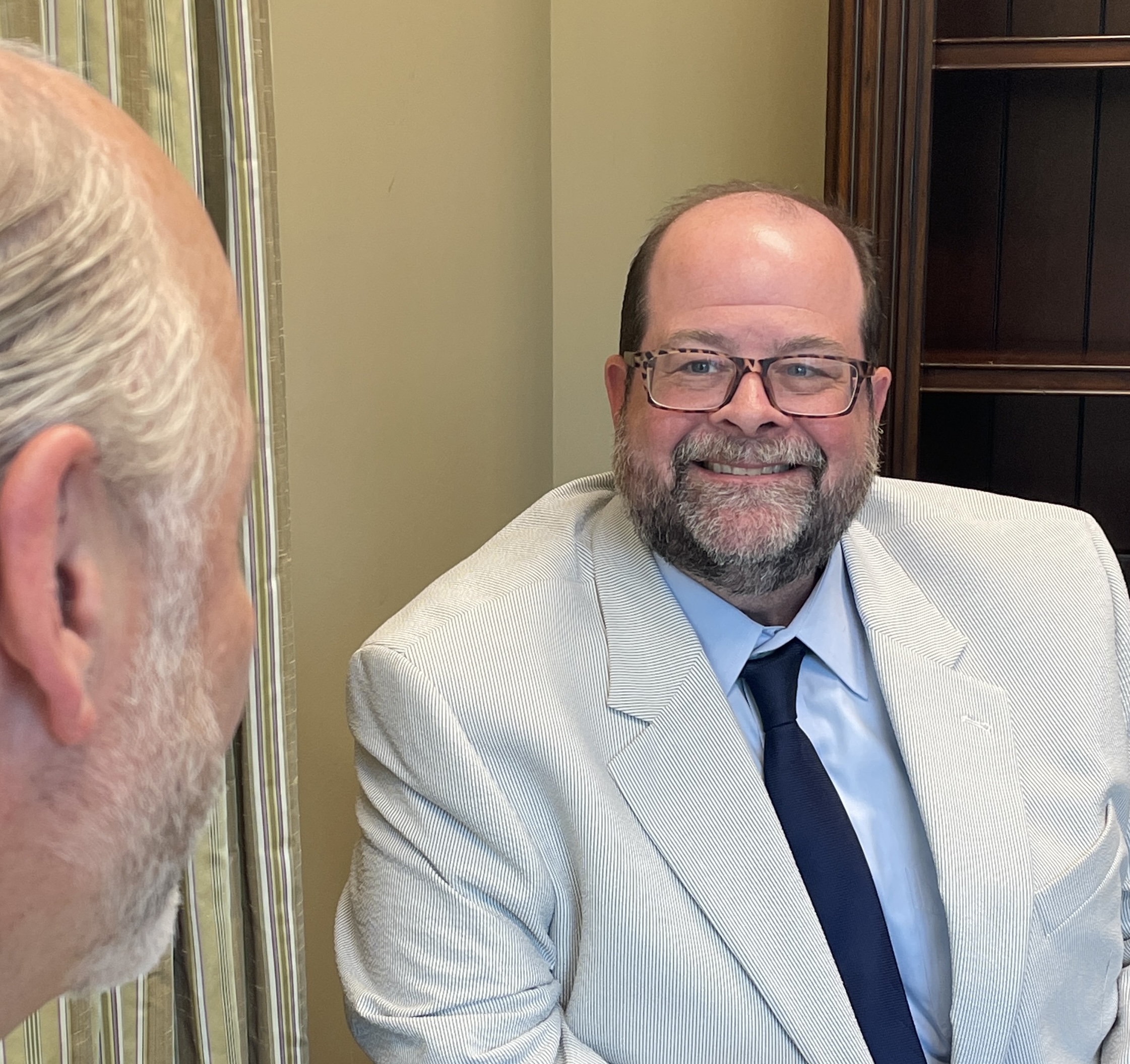
Editor: This is Covenant Spotlight’s fifth in a series of judicial candidate profiles.
Will Keaty had his own “George Washington and the cherry tree” moment early in life. His mother, retired Judge Phyllis Keaty, remembers him as a very literal child with an unusually strong attachment to truth and rules. “He had to be truthful all the time,” she recalled. “Everything was very literal to Will. If somebody told him something, then it had to be the truth.” At home, she added, “he would always tell me the truth.”
While Keaty was attending Our Lady of Fatima School, another student threw a brick that damaged a neighboring roof. School officials gathered the students and promised confidentiality to anyone who identified who had done it. Keaty had seen what happened, believed what the adults had told him, and identified the student. The promised confidentiality apparently did not hold. “The kids all blackballed him after that for the whole rest of the year,” his mother said, although “he had some friends that stuck with him.” To Phyllis Keaty, the boy had simply done what was right: “What he did was right. He was transparent, but it hurt him.”
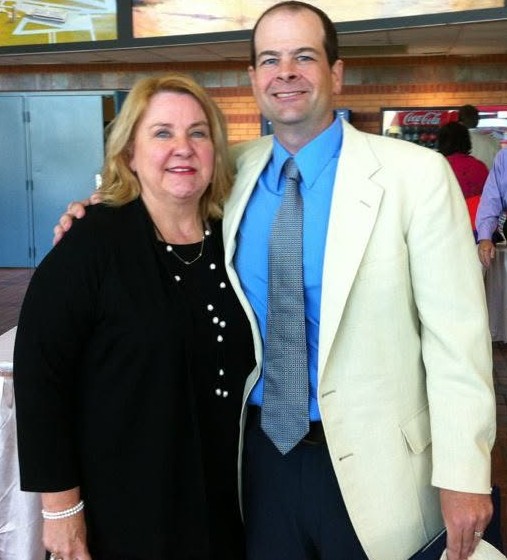
Keaty’s law partner John Tilly recognizes the same quality in the adult Keaty. After more than two decades as his friend and more than a decade practicing beside him, Tilly calls him an “open book” who wears his heart on his sleeve. “You absolutely get what you see,” Tilly said, describing someone who does not tend to sugarcoat his opinions or tell people something he does not believe merely because it is what they want to hear. “Will Keaty is an authentic person,” he said. “You never walk away from Will thinking, ‘I don’t know what he really, really thinks about this.’ He’s going to tell you.”
Keaty’s candor has accompanied him on a path to judicial candidacy that has included work with troubled children, more than a decade in private practice, service as a Justice of the Peace, and experience as both a criminal defense lawyer and a prosecutor. Across those different roles, people who know him describe a consistent set of qualities: honesty, a strong sense of right and wrong, an analytical mind that wants to know why, a personal investment in the problems of others, and a willingness to listen before reaching conclusions. His mother, his law partner, and also former U.S. District Judge Richard Haik recognize those characteristics from different stages and settings in his life. Keaty connects his own development to a Christian faith strengthened by both the blessings and struggles of his life.

Keaty did not move directly from college into law school. After graduating from Boston College in 1997 with a psychology degree, he briefly worked as a social worker in Rayne before moving to Colorado, where he found work at the Devereux Cleo Wallace Center, a residential treatment facility for children and adolescents that also had a psychiatric hospital.
After Hurricane Katrina, Keaty returned south to join his brother-in-law, a contractor, in the effort to rebuild the Mississippi Gulf Coast. From January through July 2006, they lived in a small camper in Pass Christian, which Keaty described as “Ground Zero of Hurricane Katrina.” “We didn’t have electricity, we didn’t have any plumbing for quite some time, so we lived off a generator,” he recalled. He said they drove about 30 miles to eat at an open restaurant, do laundry or shower.
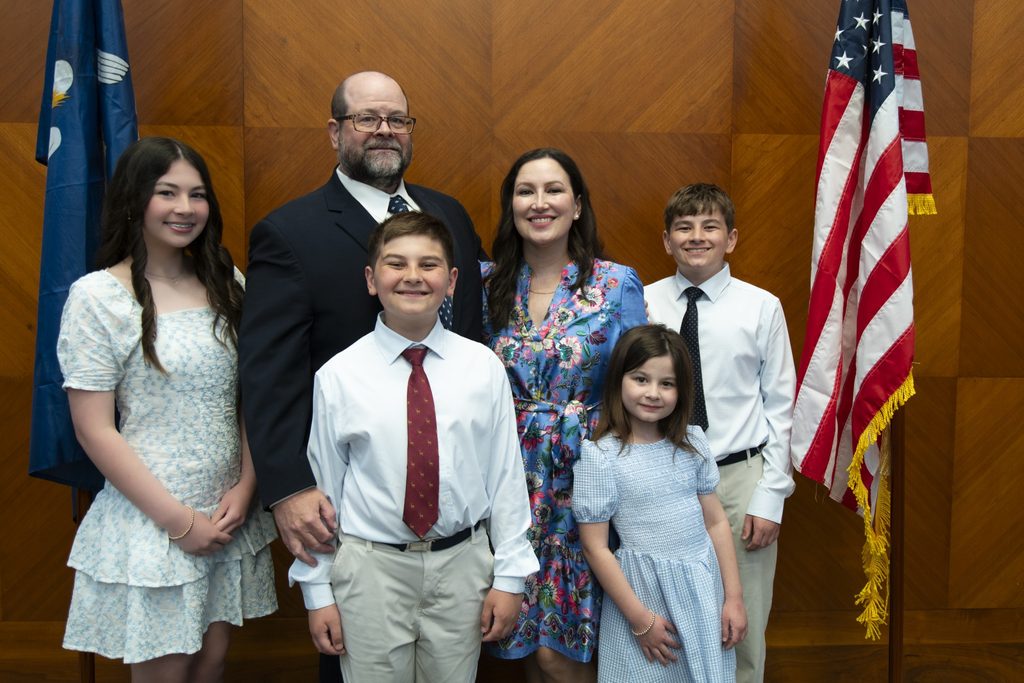
Keaty entered Southern University Law Center later in 2006 where he obtained his juris doctorate. The day after the bar exam, while physically and mentally exhausted, he met his wife Erin at a crawfish boil. He jokingly describes being “completely disheveled, unshaven, and totally defenseless.” Keaty pursued Erin’s phone number from a mutual acquaintance. They would later marry in 2011 and now have four children ages 7 to 13.
Keaty began private practice in 2012, and Tilly, whom he had met in law school, joined him soon afterward. Tilly remembers their beginnings as decidedly modest. “We literally were in one room, just the two of us with two desks in a room, kind of staring at each other all day,” he said. Over the following years, they built a general practice and staff together. Keaty’s work included family law, estate planning, business matters and criminal defense, giving him a broad experience in representing people in disputes ranging from family breakups to criminal accusations.

His law career eventually expanded beyond private practice. He joined the district attorney’s office and has served as an assistant district attorney since 2023, including work prosecuting juvenile criminal cases. Keaty was also elected Justice of the Peace in 2014 and reelected in 2020, giving him more than a decade of experience in a judicial role before he resigned in September 2025. These experiences along with his earlier counselling work with troubled children form part of the skills he hopes to bring to the bench.

Tilly has watched Keaty’s approach to problems since the two were law school classmates and study partners. “In school, I was the guy who tried to hide in the back and hope the professor would forget I was in the class,” Tilly said. “And Will was always the guy with his hand in the air, who had a comment or a question.” “He was always a very smart guy. He was always very inquisitive,” Tilly recalled.
That inquisitiveness developed into what Tilly considers one of Keaty’s defining characteristics as a lawyer. “He wants to hear both sides,” Tilly said. “He wants to dig in and analyze.” Merely knowing what the law says has rarely satisfied Keaty, according to the man who studied alongside him throughout law school and for the bar examination. “His question was always, well, why, why, why?” Tilly recalled. That instinct extends beyond legal rules to the people and facts behind a dispute. “He wants to know why things are the way they are, how they work, what’s the reason, what’s the truth,” Tilly said. “What’s real? What’s the real meaning and reason behind that?” Tilly said, describing Keaty as someone who wants to “dig down and get to the underlying truth.”

Tilly describes another of Keaty’s strengths as an attorney in simple terms: “He cares.” Keaty is not the kind of lawyer who simply closes a file at five o’clock and forgets about it until the next morning, according to Tilly. “He carries it with him,” he said. “It’s not a job to him.” That quality becomes particularly apparent in family law cases, where lawyers routinely encounter people at some of the worst and most emotionally charged moments of their lives. Tilly says there have been occasions when he has seen Keaty carrying many of a client’s problems himself. That is especially true, he said, “if he thinks there’s some injustice being done or things are not being done the right way.” In those situations, “He cares so much about these cases,” Tilly said, that when Keaty sees an injustice, “it affects him to his core.”
Phyllis Keaty saw similar generosity of his time when working as a mediator at her son’s office after retiring from the bench. She recalls that he sometimes continued helping former clients even after they stopped paying him. “Will seems to have a hard time giving up on people,” she said, especially when he believes they “have endured something that isn’t fair.”
Haik encountered Keaty from a very different position—across the table from him in criminal cases. Haik had known the Keaty family for years, but his meaningful firsthand experience with Keaty as a lawyer came after Haik left the federal bench, returned to practice and found himself representing defendants in cases Keaty was handling as an assistant district attorney.
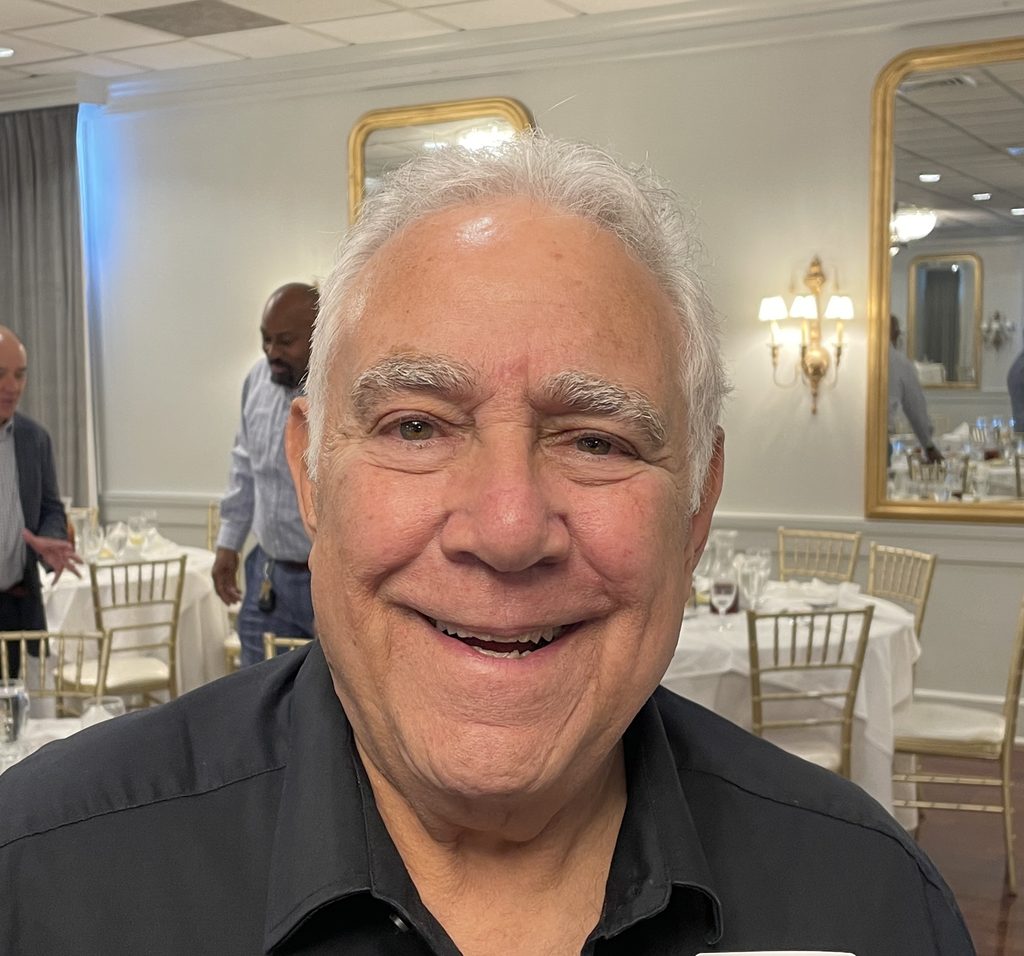
Haik particularly remembers two cases because they produced opposite results. In the first, Haik believed evidence, including video evidence, demonstrated that the accusation against his client was not supported by what had actually occurred. Keaty listened, exchanged evidence, reviewed what Haik presented and investigated further. Keaty ultimately dismissed the charge. Months later, the two lawyers faced each other in another criminal matter and followed much the same process: each provided the other with his evidence, each reviewed the opposing information, and they met again afterward. This time it was Haik who changed his position. He told Keaty that after reviewing everything, he believed Keaty was right and his own client should resolve the case through a reasonable plea.
For Haik, the two outcomes illustrated the same professional quality. Keaty was “a true professional in the way he handled this matter, both matters,” he said. Haik described the first as “the one that he dismissed because it was the right thing to do.” In the second, Haik recalled telling Keaty, “I think you’re right this time, and I’m wrong,” before discussing a reasonable plea. Haik valued the ability to exchange evidence and be heard: “It just makes what is right come out quickly.”
Haik also describes Keaty as a man with “a big heart” who can balance compassion with difficult decisions. “What I see in Will is a young man who can make the tough calls when he has to be tough, and he can make the soft calls where they have to be soft,” Haik said. His overall assessment combines what he has observed professionally with what he knows personally about Keaty: “He is a Christian gentleman. He’s smart, he knows the law, and he’ll be fair to every single person that walks in front of him.”
Keaty’s Catholic faith began at home. His mother remembers faith as an openly practiced part of family life. “I always said he was my devout one,” she said of Keaty. That foundation deepened during Keaty’s years at Georgetown Preparatory School outside Washington, D.C., where the structure of Jesuit education affected him both academically and spiritually. Tilly says Keaty remains proud of his Jesuit education and that throughout the nearly two decades he has known him, “his religion, his church has always been very important to him.”
Keaty married in 2011 and is now the father of four children. “Our family has been going to Saint Pius for a little over a year now,” Keaty said of St. Pius X Catholic Church, explaining that the family previously attended Sacred Heart in Broussard. “Our kids go to St. Cecilia,” he added. He is also a longtime member of the Knights of Columbus. Keaty places his faith “with Jesus Christ, our Savior” and speaks of his ongoing relationship with God.
Keaty’s faith also provides the foundation for his understanding of right and wrong, good and evil. One experience which shaped his faith came while working with troubled children in Colorado. Keaty had encountered children who had suffered severe abuse and trauma, and what he saw left no doubt that evil was more than just an abstraction. “I realized evil exists,” he said. “I had no doubt, because I could see it.” Confronting what he considered genuine evil strengthened his belief in God. “I knew in my heart of hearts that God has to exist to triumph over this evil,” Keaty said. He also remembers seeing some of those same children improve and being “touched by goodness,” reinforcing for him the power of good over evil.
Keaty believes evil is real and must be restrained, but he also recognizes the limits of a judge’s role. A judge, in Keaty’s view, is not deciding another person’s ultimate spiritual fate. “I’m not going to be their judge” in deciding “whether or not they’re going to go to heaven or hell,” Keaty said. At the same time, he said, “I can’t tolerate the evil.” When applying the law in particularly difficult decisions, Keaty said he would pray for God’s guidance and wisdom and hope to make “the decision that God would want me to make.”
Keaty attributes to his Jesuit education his appreciation in having a personal relationship and conversations with God. “It’s not any specific time during the day,” Keaty said. “It could be in my car, it could be just hanging out with my family, it could be a time when I’m at my desk.” In good times, that conversation may be an expression of gratitude; during difficulty, it becomes a request for grace and assistance. Three requests recur in those prayers: “guidance,” “courage” and “wisdom.”
His prayers for his children reveal something more about the way Keaty understands adversity. He asks God to protect them from evil and serious sin, but he does not ask that they be protected from every hardship. Instead, he asks that they “bend, but not break.” “I want them to be trees in the wind that grow stronger with the storms that they make it through,” Keaty said. “I owe my faith a lot to the struggles that I have overcome,” Keaty said, connecting that prayer to his own life. Looking back, Keaty says those experiences helped make him a stronger believer and, he hopes, a better husband, father and friend. His prayers for himself follow the same theme: he asks God to help him become “a better husband, a better father, a better disciple of His word, a better friend, a better son, a better brother, a better partner, a better employer, a better person.”
Keaty is also candid that his spiritual life has not followed an uninterrupted straight line. He acknowledges periods as a younger man, particularly after college, when he was less consistent in attending church. “I don’t look down upon myself, I don’t shame myself for that,” he said. “I just say, hey, you know, I grew.” “I don’t want to be stagnant,” he said. “We do attend Mass regularly,” Keaty said. “I think it’s important to raise our children in the church.” His mother sees gratitude behind his increasingly expressive faith. “He’s more expressive because he’s so grateful for what he has,” she said, adding that he has told her “how fortunate he feels and how blessed he is.”
With prayer being how Keaty speaks to God, listening is the habit those who know him say he brings to everyone else. His mother describes Keaty as a patient listener. “He’s a wonderful listener,” she said. “He can put points of interest in his mind so well.” Tilly reaches essentially the same conclusion from years of practicing alongside him. “He’s going to listen to people. He’s going to give them their time,” Tilly said. “He will treat everyone the same, and he will listen to what everyone has to say.” Their assessment reflects the analytical instinct he’s demonstrated since law school: a desire to hear both sides and keep asking why.
Haik arrives at the same point from decades of judicial experience and his own dealings with Keaty as a prosecutor. “The most important thing of being a really good judge is listening,” Haik said. Then he returned to the quality he had personally observed in Keaty: “He listens.” Keaty commits to giving a fair hearing for those who appear in his court, “I would listen to everything, I would deliberate, and I would make a decision after careful deliberation.”
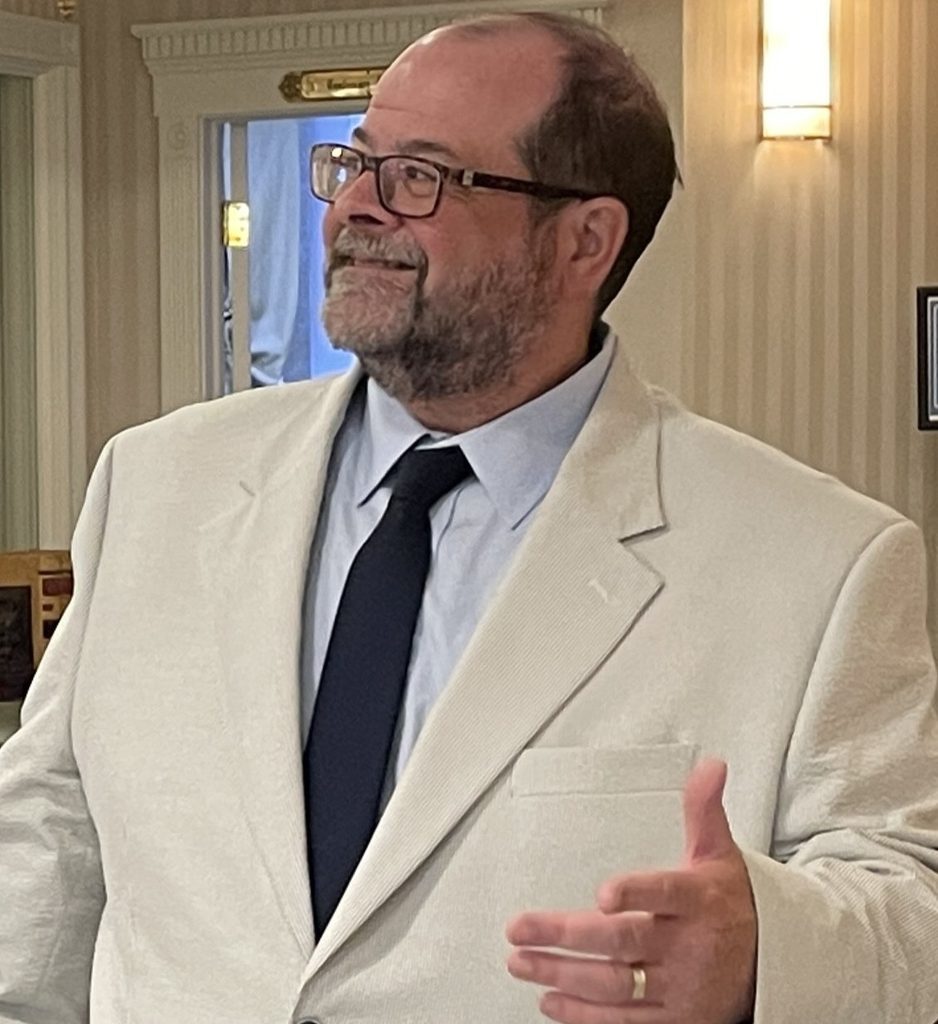
Keaty’s professional life has already required him to listen from several different seats in the legal system. He has represented private clients and families, defended people accused of crimes, prosecuted criminal and juvenile cases, and spent more than a decade serving as a Justice of the Peace. His earlier work placed him among children struggling with the effects of abuse, neglect and mental-health problems. Some situations have called for advocacy; others have required judgment. Sometimes the evidence has led toward prosecution and punishment; at other times, as Haik witnessed firsthand, examining the evidence has led Keaty to conclude that a case should end.
Those closest to Keaty describe a lifetime of candor, curiosity, care for others and a willingness to listen, from a childhood decision to tell the truth to the difficult judgments he has faced as a lawyer, prosecutor and Justice of the Peace. Each sees those qualities as making Keaty well qualified to serve as Division I’s new judge and hope other voters will agree on November 3, 2026.
J. Christian Lewis/ AI assisted